Washing machine maintenance checklist
Fresh-smelling laundry doesn’t start when the cycle ends — it starts with a well-maintained washing machine. A simple maintenance routine can help cut down on buildup, reduce wear and keep every load feeling truly clean.
This maintenance checklist breaks care into what to do by load, by month and by season, so it fits around your existing laundry routine instead of adding extra work.
Select a jump link below to learn more:
Washer maintenance schedule
A regular cleaning schedule makes washing machine maintenance feel manageable, even in a busy household. Small tasks organized by load, week, month and season can help reduce residue, control odor and keep easy-to-miss areas from going unnoticed.
Different types of buildup, moisture and wear develop at different rates. Spacing tasks by frequency helps prevent problems without making upkeep feel overwhelming.
After every load
After every load, a few quick tasks help prevent moisture buildup before it causes odor or mold.
- Remove wet laundry promptly: Remove clothes as soon as the cycle ends so moisture doesn’t sit in the drum. Leave the door on a front-load washer or the lid on a top-load washer open afterward to help prevent mold and mildew growth.
- Check the drum and door gasket: Check the drum and rubber door gasket for visible residue after every wash. If residue is spotted, clean the area promptly to prevent it from building up.
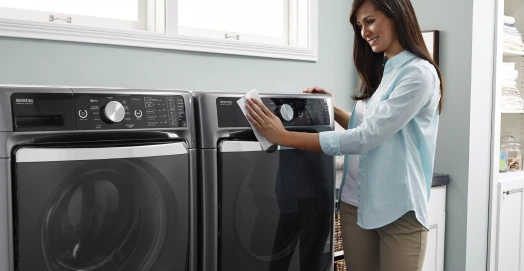
- Wipe front load washer door dry: Front load models need extra attention around the rubber door gasket and detergent dispenser drawer, where moisture and residue can linger. Wipe the gasket dry after wash day and leave the door open between loads.
- Check for residue buildup: Top load models collect buildup differently, especially in the drum, around the agitator or impeller and under the lid. Check the fabric softener dispenser for residue after every wash and wipe the underside of the lid.
Weekly maintenance
Weekly washing machine maintenance targets light residue, detergent splashes and sealed areas that collect grime gradually.
- Clean washer surfaces and dispensers: Wipe the door seal, detergent dispenser drawer, fabric softener dispenser and exterior surfaces weekly to clear splashes and leftover detergent.
- Inspect around the appliance: Check around the base and water connections for small leaks or residue buildup.
Monthly maintenance
Monthly tasks target what you can’t see — detergent residue, softener film and odor-causing buildup inside the drum and wash system.
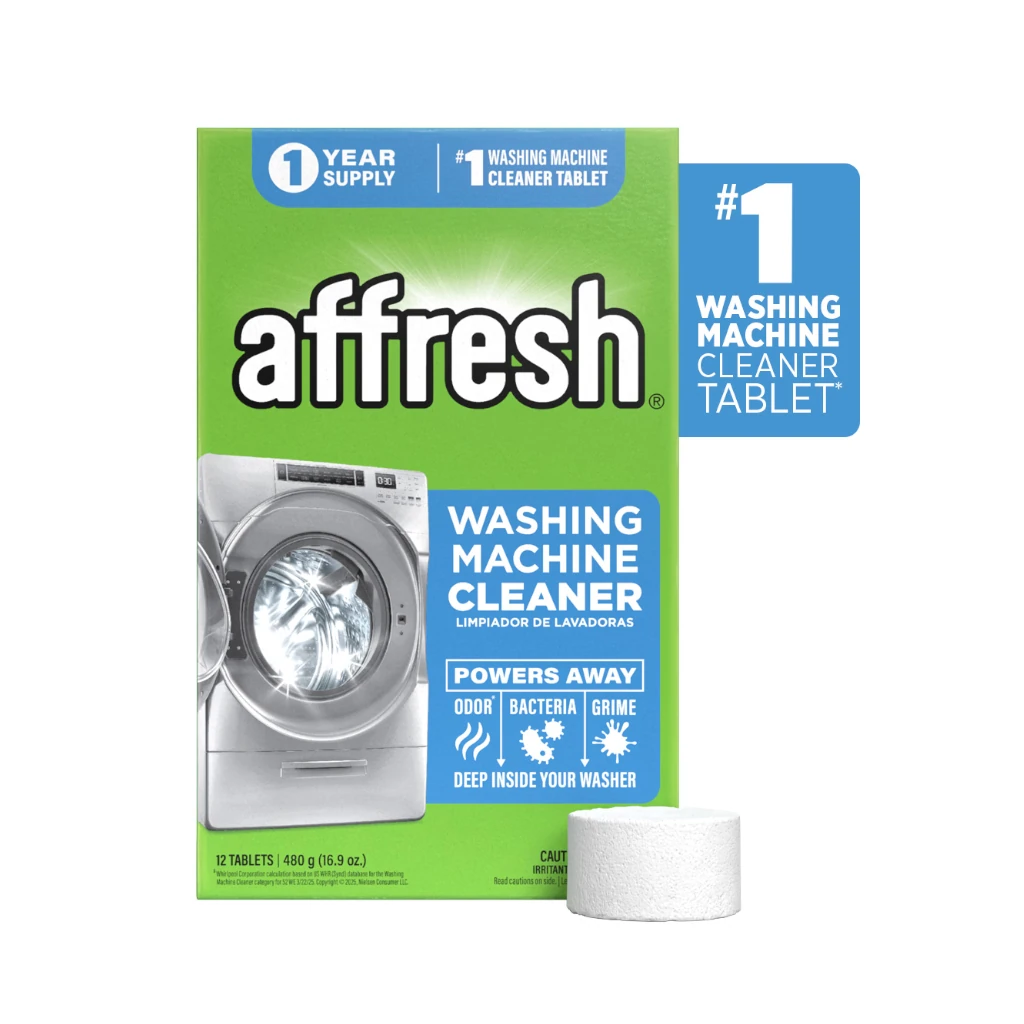
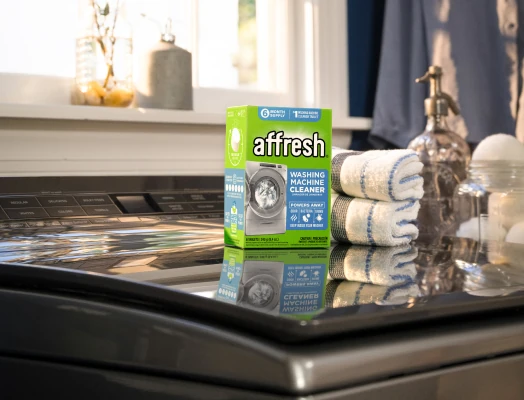
- Run a cleaning cycle: Once a month, run a cleaning cycle or the hottest recommended cycle listed in your owner’s manual to help clear hidden buildup. For routine care, use a specialized washing machine cleaner such as affresh® washing machine cleaner monthly or about every 30 wash cycles, especially if your drum has visible buildup or lingering odor.
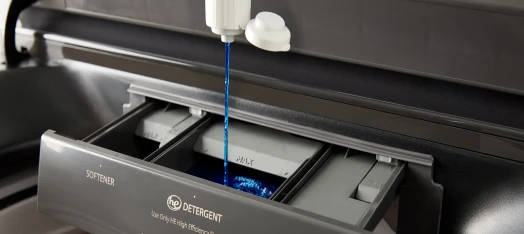
- Clean interior compartments: Pull out the detergent dispenser drawer, bleach compartment and fabric softener dispenser if your model allows removal. Always check the owner’s manual first, then rinse removable parts and wipe inside each compartment to clear detergent and residue buildup.
Quarterly maintenance
Maintenance every 3 to 4 months helps manage gradual internal buildup that doesn’t form quickly but can affect performance if ignored. Tasks at this interval focus on areas that don’t need monthly attention yet shouldn’t wait until a seasonal check.
- Inspect the filter and drain: Check the drain pump filter, drain area and hose connections for any signs of damage, trapped debris or slow draining. Always unplug the appliance before getting started and consult your owner’s manual for model-specific access steps.
- Check water inlet hose connections: Look for moisture around water inlet hose connections that may signal a loose fitting or early wear. Tighten or replace as needed.
- Check for vibration and level: Confirm the washer is level on all four feet with a level. An unlevel machine can vibrate excessively, walk out of position and strain internal components over time. Adjust the leveling feet as needed.
- Inspect water inlet hoses: It’s a good idea to inspect the water inlet hoses for wear, check inlet screens for debris and make sure that your washer stays level about once a season. Look at the drain area and any drain pump filter or filter access points to ensure small issues do not build up over time.
Habits that help prevent washer buildup
A few simple habits can shape how much residue stays behind after each cycle. Proper detergent use, balanced loading and moisture control help reduce buildup and odors between deeper cleanings.
Follow the steps below to help improve washer maintenance and performance.
- Use the right amount of detergent: Too much detergent can leave a film inside the drum, dispenser drawer and fabric softener dispenser. That residue can trap lint and soil over time, so measuring carefully helps limit buildup. If you have a high-efficiency (HE) washer, always use HE-compatible detergent to avoid excess suds and residue.
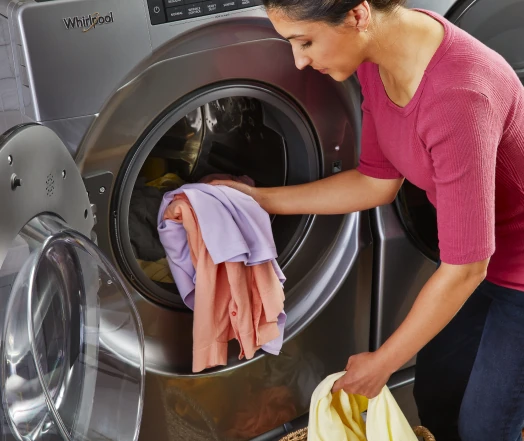
- Load clothes with balance in mind: Balanced loads help reduce vibration and strain while giving clothes enough space to move and rinse clean. Proper spacing also helps keep leftover soil from settling in the drum. Learn more about proper load balancing.
- Adjust your routine for pets, kids and heavy laundry use: Homes with pets, kids or frequent laundry loads often need more regular cleaning and inspection, as lint and residue buildup can happen faster. Activewear, towels, bedding and muddy or lint-heavy loads can leave behind more debris and moisture, which can lead to persistent odors if not addressed.
Washing machine maintenance FAQs
Learn more about regular washer cleaning below to keep your washing machine maintenance routine simple and consistent.
Can you use vinegar or bleach to clean a washing machine?
Yes, but it’s important to follow safety and usage rules. Vinegar and bleach can be used to clean a washing machine, but the two should never be used together.
Vinegar dissolves hard water mineral deposits and can be used cautiously to help reduce odors and mineral buildup. Bleach is effective for deep sanitizing and removing mold, mildew and bacteria from your washing machine. Vinegar and bleach can affect certain washer parts over time, so be sure to always check your owner’s manual before using either product.
Do washing machine cleaning tablets replace manual cleaning?
No. Washer cleaner tablets help deep clean the washer drum, but you should still wipe the rubber door gasket, detergent dispenser drawer and other areas where residue and moisture collect. For best results, use affresh® washing machine cleaner monthly and keep up with basic wiping and inspection.
How often should washing machine hoses be replaced?
Check water inlet hoses regularly for bulges, cracks, leaks or loose connections, and follow the hose manufacturer guidance for replacement timing. Routine inspections can catch wear before it becomes a larger issue.
What should you do if odor or residue keeps coming back after cleaning?
Clean the washer again, then check for leftover moisture, excess detergent use, clogged dispensers or buildup in hidden areas like the door gasket or drain pump filter. If the issue continues, review your detergent usage, leave the door open after cycles and clean monthly to help prevent repeat odor and residue.
Shop affresh® washing machine cleaner
Keep your routine simple with washing machine cleaner from affresh. With regular maintenance and cleaning, your washer can stay free of musty odors and continue cleaning your clothes effectively.
- Share Article