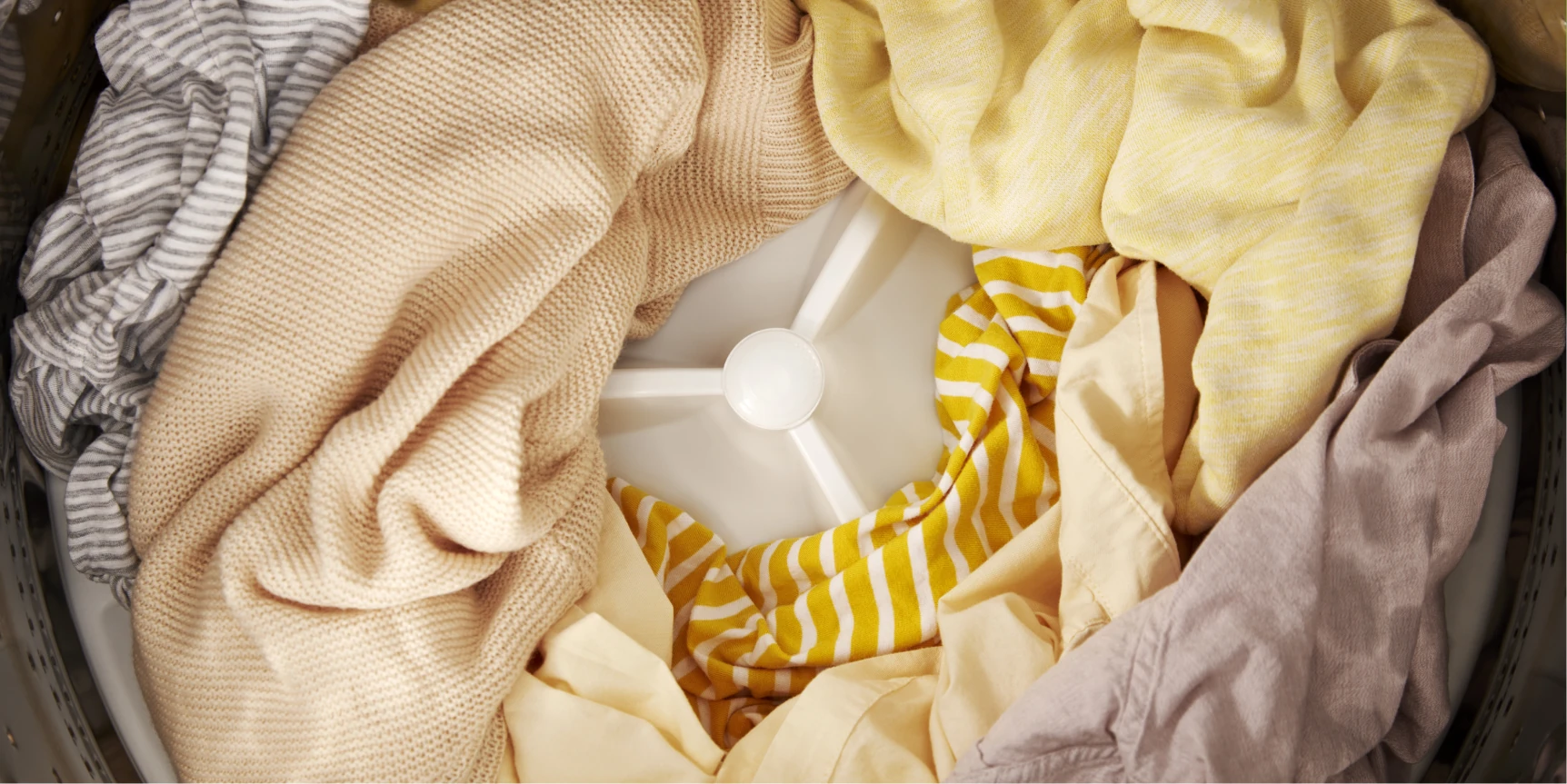
How to strip laundry: what it is and when to do it
If you’ve ever pulled “clean” towels out of the dryer only to find they still smell musty, feel stiff or just don’t absorb water like they used to, you’re not imagining things. Over time, detergent residue, fabric softener, body oils and hard‑water minerals can cling to fabric fibers, causing laundry to feel stiff, look dingy or hold onto odors even after washing. That’s where laundry stripping comes in. This deep-cleaning method has gone viral for its dramatic results, but it’s not something you should do every wash day.
In this guide, you will learn what laundry stripping is, why it works and when you should strip your laundry so you can decide if this popular cleaning technique is the right method for cleaning your clothes.
Select a topic to jump ahead:
- What is laundry stripping?
- When to strip laundry
- How to strip laundry
- How to prevent buildup
- Laundry stripping FAQs
What is laundry stripping?
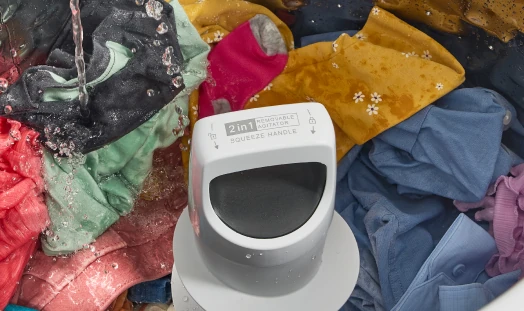
Laundry stripping is a deep soak that helps release detergent residue, fabric softener buildup and hard water minerals from certain washable fabrics. The process involves soaking “clean” laundry in hot water with cleaning agents to break down and release hidden buildup trapped in fabric fibers.
Laundry stripping is most commonly used on towels, sheets and other heavy‑use items to restore softness, absorbency and freshness when laundry looks dull, feels stiff or holds onto odors. It is not a routine step for everyday clothing, but works well as an occasional reset for items that show clear signs of buildup.
When to strip laundry
Laundry stripping may help when washable items still feel coated, stiff or stale after a normal cycle. This method is most useful for sturdy fabrics that have heavy residue buildup, and is not meant to be used for every load.
Watch for symptoms such as your towels feeling stiff, bedsheets looking dingy or yellow, fabrics smelling musty after washing or items that seem less absorbent. These signs often point to detergent residue, softener buildup or hard water minerals trapped in the fibers.
Sometimes a simpler change makes more sense. A normal rewash may make more sense when items just need more rinsing or a lighter detergent dose. Skipping fabric softener, avoiding overloaded loads and regularly cleaning and maintaining your washer can help your appliance have optimal performance.
Laundry stripping is not designed for stain treatment, color restoration or reversing wear from age and repeated use. If odors seem to come from the washer instead of the fabric, a monthly washer cleaner routine may help more than learning how to strip laundry.
What to use to strip laundry
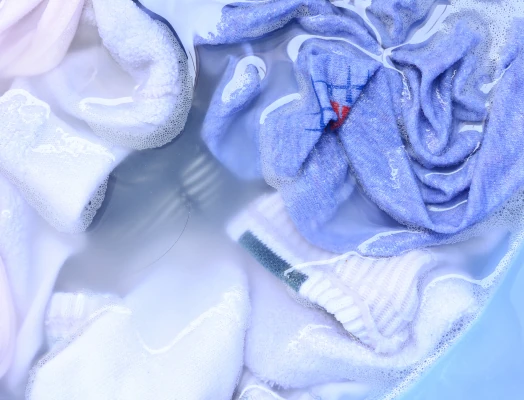
Laundry stripping relies on specific products that work together to break down residue regular wash cycles can leave behind. Each ingredient plays a different role in lifting buildup from deep within fabric fibers rather than just cleaning the surface.
- Borax – used to help dissolve hard water minerals, deodorize fabrics and loosen residue that clings to fibers over time. It’s especially helpful in homes with hard water, where mineral deposits can make towels feel stiff or dingy even after washing.
- Washing soda – more alkaline than baking soda, which allows it to soften water and break down oils, grease and detergent buildup embedded in fabric. This higher alkalinity is what makes washing soda effective for stripping.
- Powdered laundry detergent – provides additional surfactants that help lift and suspend dirt and oils once they’re released from the fabric. Powder is typically recommended over liquid detergent because it contains fewer binders that can add to residue buildup during the soak.
- Hot water – essential because heat helps open up fabric fibers, allowing the stripping solution to penetrate deeply and release trapped residue. Without hot water, the cleaning agents are far less effective at breaking down buildup.
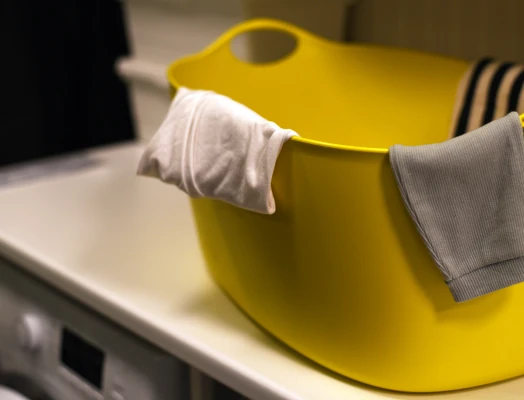
- A large soaking container – laundry stripping is usually done in a bathtub, utility sink or large bin so items can fully submerge and soak evenly. Noticing the water change color during the soak is common, as residue and minerals are released from the fabric.
Laundry stripping precautions before you start
Read care labels first and separate colors before soaking. Sensitive fabrics, bright dyes and delicate blends may not handle a long hot water soak well, especially in a bathtub or other large basin.
Towels, sheets and sturdy cotton or household linens are typical candidates for laundry stripping because they can handle soaking in hot water. Use caution with synthetics and blends and skip wool, silk, activewear, waterproof items and dark colors unless the care label clearly supports that kind of treatment.
Measure boosters carefully and avoid product mixing mistakes. If you are considering stripping laundry at home, use practical caution with borax, washing soda and powdered detergent, and test carefully with any fabric that seems less sturdy.
How to strip laundry step-by-step
Start with items that have already been washed, since fresh soil can cloud the soak and limit how well dirt and debris are pulled from clothing items. Check each care label first, and use the hottest water temperature that the fabric will allow. Follow the steps below for stripping laundry at home.
-
- Gather borax, washing soda, powdered laundry detergent and a large basin. A bathtub works well for towels and bedsheets, while a sink or deep utility tub may be enough for smaller loads.
- Fill the basin with hot water, then dissolve the stripping ingredients completely using the package directions as a guide. Add only sturdy, colorfast items that can handle a hot water soak, and keep the load loose so the solution can reach every surface.You can generally use the following dosage amounts: ¼ cup borax, ¼ cup washing soda (sodium carbonate) and ½ cup powdered laundry detergent. This 1:1:2 ratio is widely recommended for a standard bathtub filled halfway with hot water.
- Let the laundry soak for several hours, stirring gently every hour or so. The water may look cloudy from detergent residue, fabric softener buildup or hard water minerals, but darker water does not always mean a deeper clean.
- Drain the basin, rinse until the water runs clear, then rewash without extra detergent if fabrics still feel coated. Dry everything completely before judging absorbency, softness or odor.
How to prevent buildup from coming back
Daily wash habits can significantly impact your clothing items, so it’s important you know how to properly prevent buildup from forming. Careful dosing, using less softener and regular washer care can help slow detergent residue buildup, odors and hard water minerals before they settle back into towels and bedsheets.
- Use the correct amount of detergent and softener – Measure the amount of detergent appropriate for your load size and soil level, since extra soap can cling to fabric and reduce absorbency over time. Limit fabric softener use to avoid excess residue buildup, and add an extra rinse when items still feel coated or hold onto smell after washing.
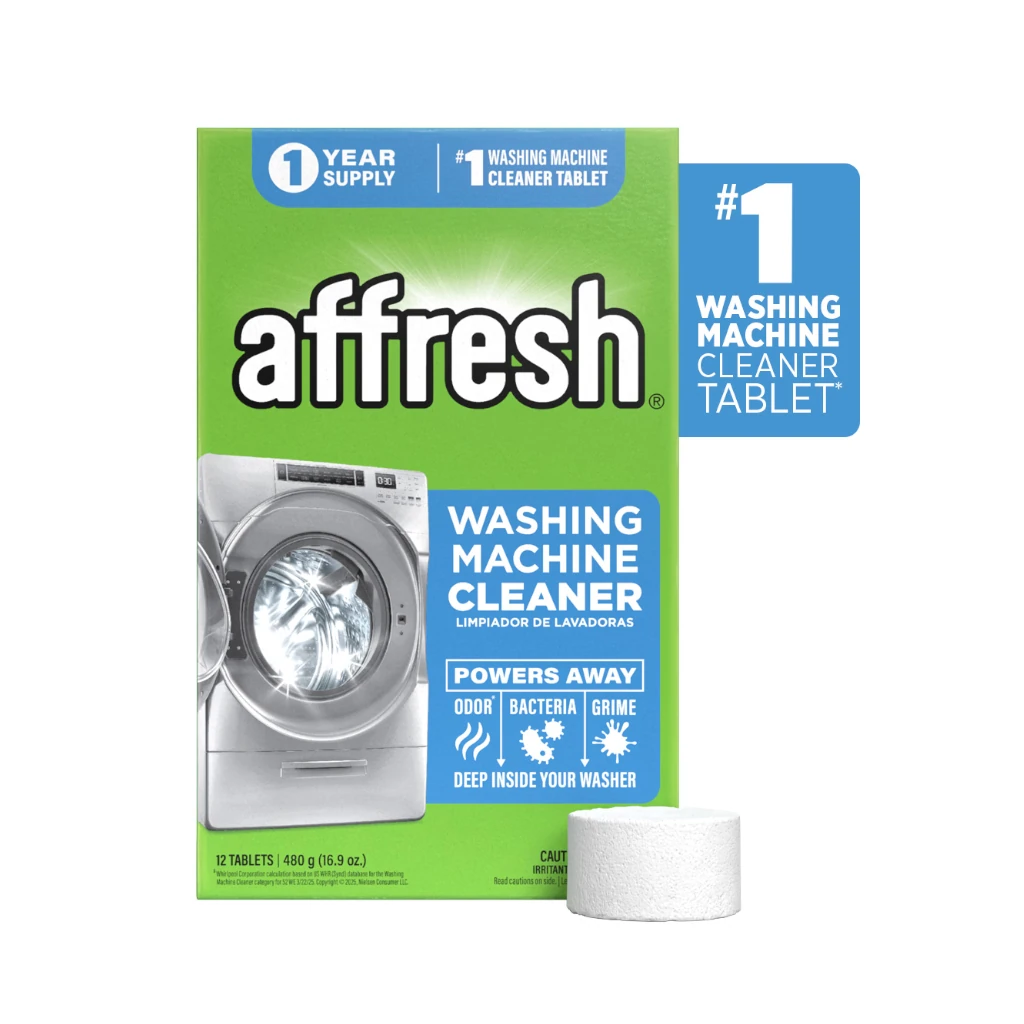
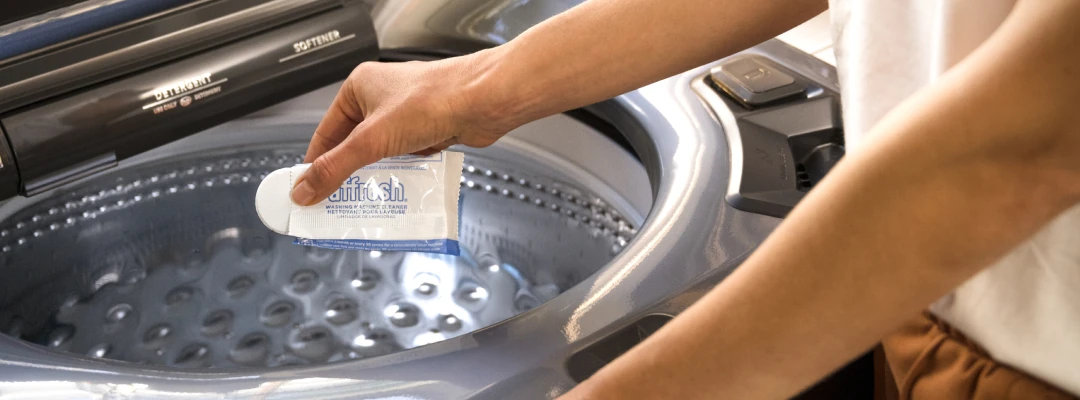
- Keep the washer clean between loads – Clean the washer regularly so residue and lingering odor do not transfer back onto freshly washed fabrics. For best results, use a washer cleaner monthly or every 30 wash cycles to help keep the drum and internal parts fresher.
- Address residue on the washer itself – Wipe away visible soap scum and leftover residue on the door, gasket, lid and detergent dispensers. That surface buildup can redeposit during washing, especially after soaking heavy items like towels or after stripping laundry.
Laundry stripping FAQs
Make sure you fully understand the process, potential benefits and risks of laundry stripping before you start soaking towels or sheets at home. Learn more about the basics, including what to use, when a washer may work and how to handle lingering odors.
Can laundry stripping damage clothes?
Laundry stripping can damage clothes if it’s done too often, with harsh chemicals or on the wrong fabrics. Since the laundry stripping process uses very hot water and strong cleaning agents to break down buildup, it may weaken fibers, fade colors or wear down elastic over time.
Can you strip laundry in the washer?
You can strip laundry in your washer if your model allows a long hot soak, but a bathtub often gives you more room and control. Check your owner’s manual first, since soaking heavily soiled items in the machine may leave residue behind that can result in a dirty washing machine.
Can you strip laundry with baking soda and vinegar?
Baking soda and vinegar are not the usual choice for laundry stripping. Traditional stripping relies on borax, washing soda and powdered detergent. If you do use vinegar on washable items, rinse them thoroughly before running a regular wash cycle.
Does stripping laundry get rid of smells?
Laundry stripping can help reduce odor buildup when trapped residue, body oils or hard water minerals are causing the smell. It may not solve every odor issue, especially if the washer itself needs attention, so regular cleaning can help keep fresh laundry smelling clean.
Explore affresh® washing machine cleaner
Use affresh® washing machine cleaner monthly to help clear away odor-causing residue that your laundry can pick up during wash day. It’s made with EPA Safer Choice certified ingredients and helps care for the machine behind every load. With regular cleaning you should be able to prevent buildup and keep your appliance running efficiently.
Affresh® washing machine cleaner helps clean deep inside the pump, valve, tub, drum, agitator, filter and hose of your washing machine to help ensure your appliance is free from odor-causing residues and grime.
- Share Article