Should You Use Fabric Softener in a Washing Machine?
Your laundry might feel soft and smell fresh, but your washing machine could be paying the price. While fabric softener can enhance comfort, it can also leave residue behind when it’s overused or doesn’t rinse away completely, allowing buildup to collect in the dispensers, the drum and other hidden areas of your washer.
Understanding the proper way to use fabric softener can help keep your washer clean through repeated loads. Keep reading to learn what fabric softener is, how buildup happens and how to use fabric softener correctly (and clean your washer afterward) to prevent unwanted odors in your washing machine.
- What is Fabric Softener?
- Does Fabric Softener Cause Buildup?
- How to Use Fabric Softener
- How to Clean a Washer After Using Fabric Softener
- Fabric Softener FAQs
What is Fabric Softener?
Fabric softener is a laundry product designed to reduce static cling, soften fibers and add fragrance to clothing. The two most common forms are dryer sheets, which are placed in the dryer, and liquid fabric softener, which is added to your washing machine and released during the rinse cycle.
Liquid fabric softener works by depositing a thin layer of conditioning chemicals onto fabric fibers. These positively charged compounds bond to the negatively charged surface of fabrics like cotton, reducing friction between fibers so they feel smoother and are less prone to static. That same coating is what gives freshly washed clothes their soft feel and familiar scent.
Does Fabric Softener Cause Washing Machine Buildup?
Fabric softener in washing machine cycles can leave a light coating behind, especially when too much is used or it doesn’t rinse away fully. Over time, that residue can collect on the dispenser drawer, washer drum, agitator and other interior parts and contribute to stale odors.
Common signs that your washing machine may have fabric softener buildup include:
- Waxy or slippery film in the fabric softener dispenser or drawer
- Visible residue on the washer drum, agitator or door gasket
- Lingering musty or stale odors inside the washer
- Clothes that don’t smell fresh or feel fully rinsed after washing
In a front load washer, fabric softener residue may cling around the door seal. In a top load washer, residue and buildup can gather near the agitator. Avoiding overfilling the machine, and using adequate rinse cycles can all help reduce how much softener residue is left behind.
How to Use Fabric Softener the Right Way
Proper placement, timing and dosage can help reduce fabric softener residue before it starts. Adding fabric softener to your washer correctly ensures it’s released at the right time rather than coating the washer itself.
Follow the steps below to properly use fabric softener in your washing machine:
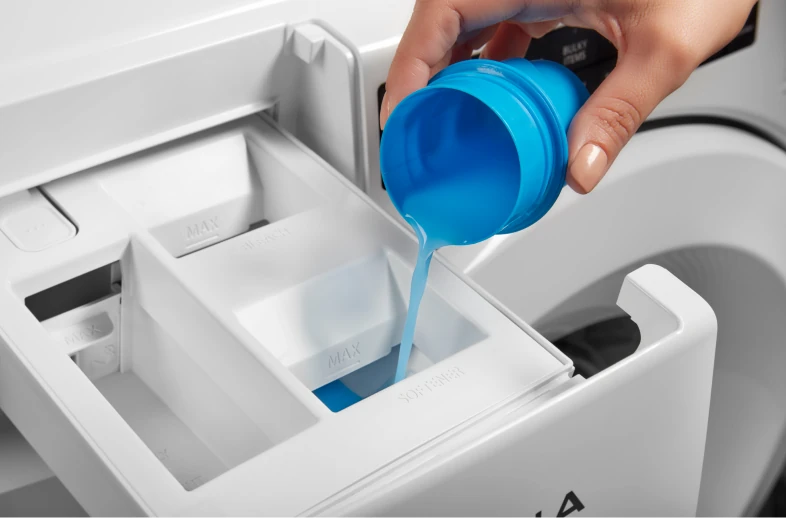
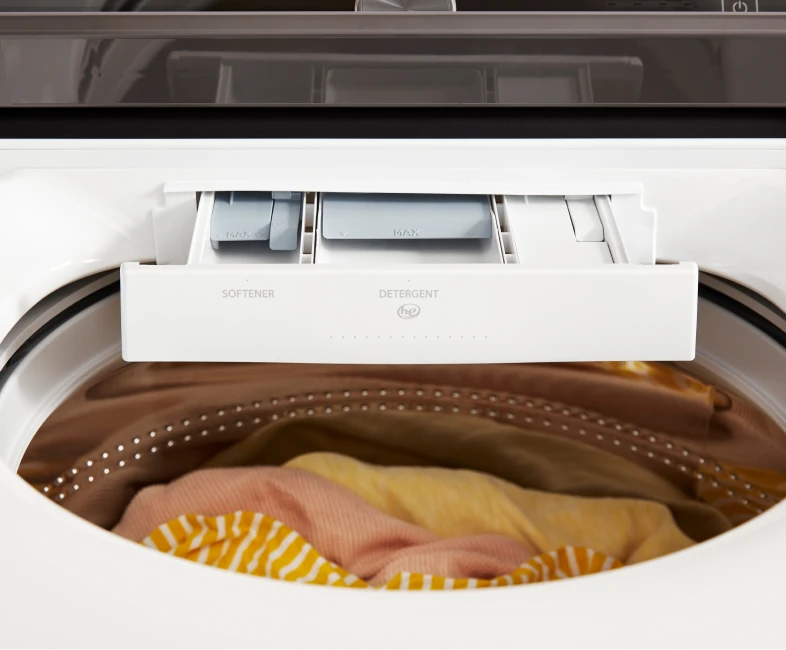
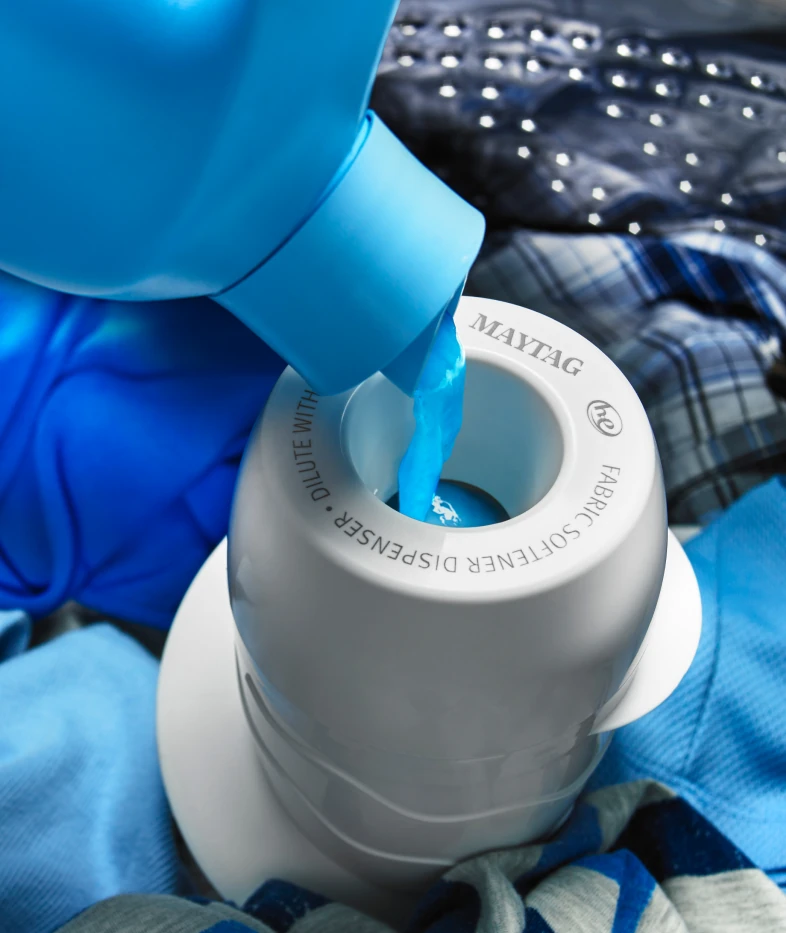
- Use the dispenser. Add liquid fabric softener to your washer’s designated fabric softener dispenser (never pour it directly on clothes) so it releases during the rinse cycle.
- Measure the right amount. Use only the recommended amount listed on the product label or indicated by the fill line in your dispenser. If your washer doesn’t have a built-in softener dispenser, dilute the fabric softener with water before adding it to a top-load washer’s drum.
- Load your laundry properly. Avoid over-loading your laundry and follow loading best practices to allow your clothes to rinse completely.
- Time it for the rinse. Let the rinse cycle do the work — avoid adding fabric softener at the start of the wash cycle so it isn’t rinsed away or combined with detergent too early.
- Practice regular washer care. Make sure to clean your washer regularly to help prevent residue and buildup over time.
When to Use Fabric Softener
You may want to use fabric softener when you want clothes to feel softer, smell fresh or have less static. It can be helpful for everyday clothing and bedding, but it’s best used in moderation and skipped on items like towels or activewear.
When to Skip Fabric Softener
You should skip liquid fabric softener on certain items like towels, microfiber cloths, moisture-wicking activewear and water-repellent fabrics. Fabric softener can coat fibers, which may reduce towel absorbency, trap odors in performance fabrics, limit breathability and leave some items feeling heavy — especially after cold water washes.
How to Clean a Washer After Using Fabric Softener
Routine washer maintenance helps keep softener residue from building up in the dispenser and other parts of the machine. After regular use of fabric softener in your washing machine:
- Clean the dispenser. Wipe away any visible residue or film from the fabric softener dispenser (or dispenser drawer) using a soft cloth
- Wipe the drum and interior. Check the washer drum for any buildup. Use a damp cloth to wipe away visible film from easy-to-reach surfaces, including around the agitator in a top-load washer or the door seal in a front-load washer.
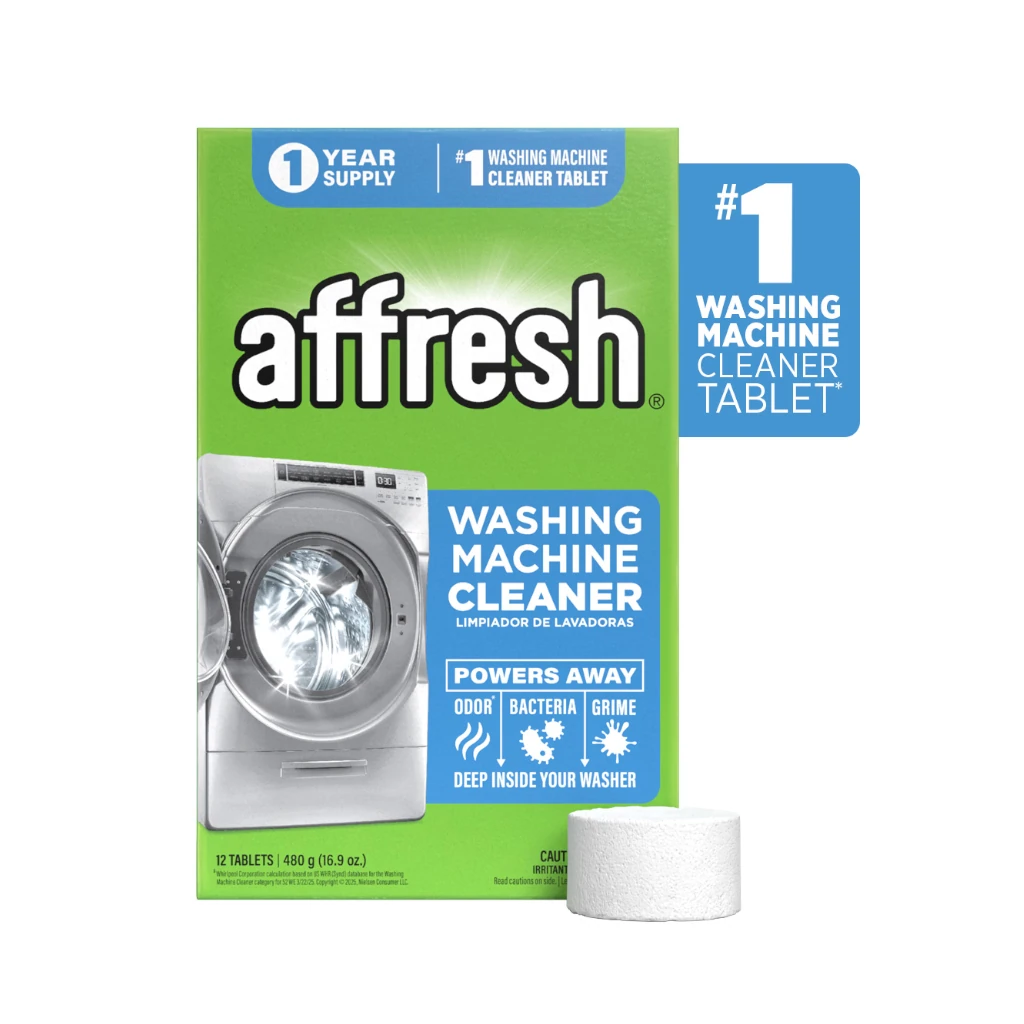
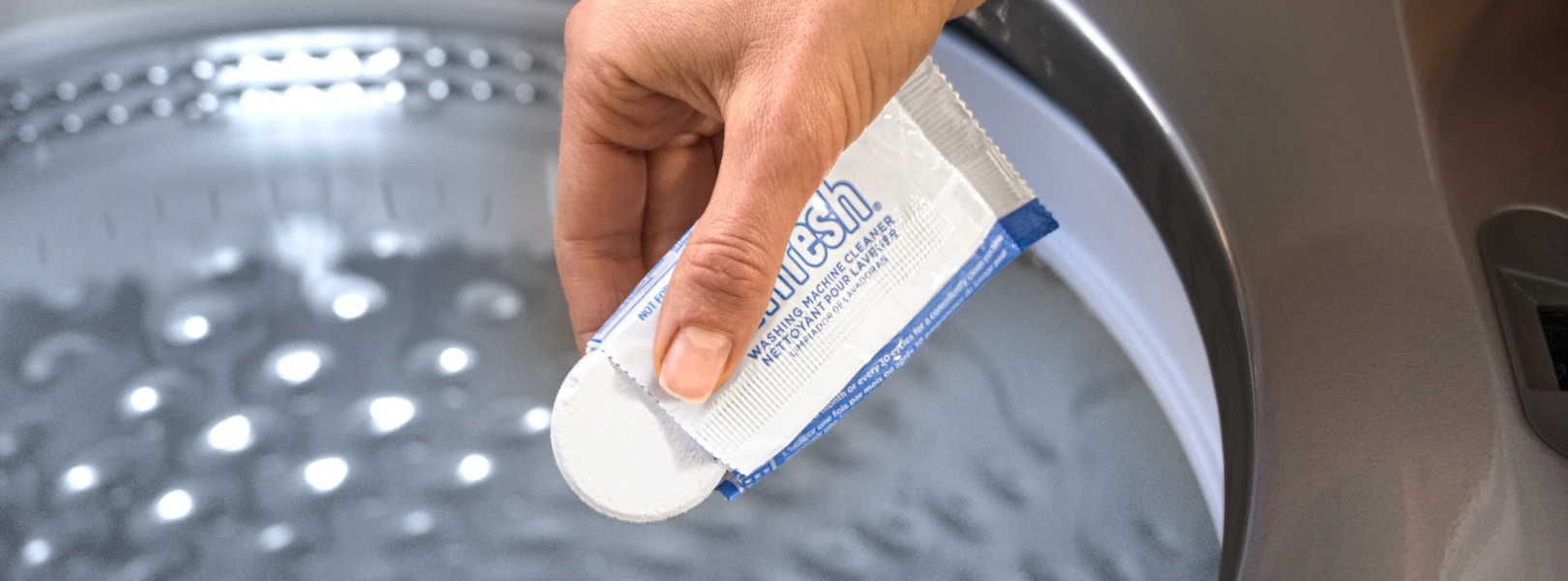
- Run a cleaning cycle. Run a washer‑cleaning cycle or use washer cleaner tablets to help break down stubborn residue inside the drum.
- Clean seals and gaskets. Wipe down seals, gaskets and agitators where fabric softener residue and moisture tend to collect.
- Repeat monthly. Make washer cleaning a monthly habit. Using washing machine cleaner tablets regularly can help manage fabric softener and detergent buildup over time.
Fabric Softener FAQs
If you’re still not sure how to use fabric softener, use the FAQs below to decide when to use fabric softener, when to skip it and how to keep buildup from becoming a problem.
Does Fabric Softener Clean Your Clothes?
No. Fabric softener doesn’t clean your clothes — that’s the job of your detergent. Instead, it enhances how fabrics feel and smell after washing.
Is Fabric Softener Bad For Your Washer?
copy
h3
Not necessarily. Fabric softener isn’t inherently bad for your washer, but overusing it can leave residue in the softener dispenser or drawer and in the washer drum. These deposits can accumulate over time — especially if you frequently wash in cold water — so regular cleaning and maintenance are important to keep residue at bay.
Should You Use Fabric Softener on Towels?
Fabric softener is usually not the right choice for towels because it can coat towel fibers and reduce their absorbency. Towels, microfiber fabrics and other performance materials might feel softer at first, but softener residue can build up on the fibers over time, making towels less effective at drying and more likely to hold onto odors.
Can You Use Fabric Softener and Detergent in The Same Load?
Yes. It’s fine to use both fabric softener and detergent in the same laundry load as long as each product goes into its proper dispenser or compartment. Detergent works during the wash cycle, while liquid fabric softener is released during the rinse cycle so they don’t mix directly in the washer.
Do You Need Fabric Softener in Every Wash?
No. You don’t need fabric softener for every load. Many everyday loads clean up well with just detergent, and using softener only when you want extra softness or fresh scent can help minimize residue buildup around the agitator, dispenser and other parts of your washer.
Explore affresh® washing machine cleaner
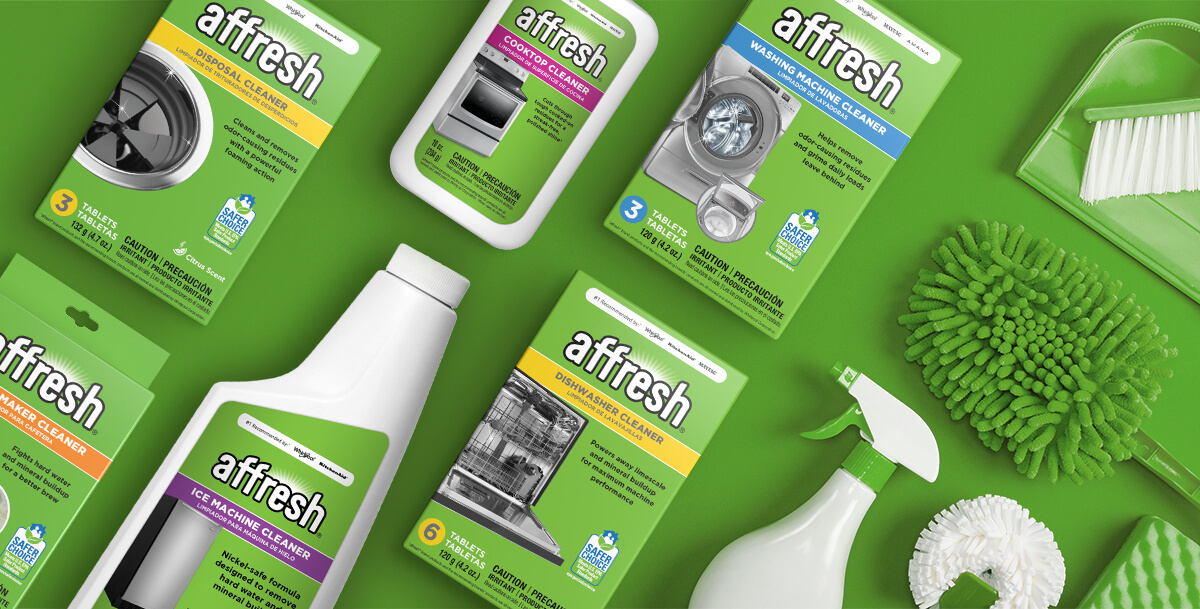
For best results, make washer cleaning a regular practice. Clean your washer monthly with affresh® washing machine cleaner, especially if you regularly use fabric softener. Washing machine cleaner tablets can help remove odor-causing residue and detergent residue from the basket, drum and hidden washer surfaces.
- Share Article