Dishwasher Use & Care Guide: Cleaning & Maintenance
Getting clean dishes doesn’t have to be complicated. It really comes down to a few simple habits. Load your dishwasher the right way, choose the cycle that fits your load and stay on top of regular cleaning to help prevent buildup and odors before they start.
In this guide, you’ll find easy, practical tips for loading your dishwasher, choosing the right detergent and cycle and keeping things running smoothly. You’ll also find tips on routine dishwasher care and what to do if unwanted odors pop up.
Tips for using a dishwasher
A few simple habits can help dishes come out cleaner and help your appliance run the way it should. Using your dishwasher correctly is a form of preventative maintenance. The following tips will cover how to use a dishwasher correctly, from prepping dishes and loading racks to adding detergent, choosing a cycle and finishing each load.
- Scrape dishes – You should always scrape off large food debris from dishes before loading. A light scraping can help prevent clogs and buildup, help your dishwasher clean more effectively and reduce odors inside the appliance. When excess debris is removed from dishes, water can circulate freely and reach every surface so that dishes can come out cleaner.
- Check that items are dishwasher safe – Always check to make sure your dishes are safe to wash before placing them into the dishwasher. Keep wood, cast iron, insulated cups and items labeled hand-wash only out of the dishwasher to avoid damaging them.
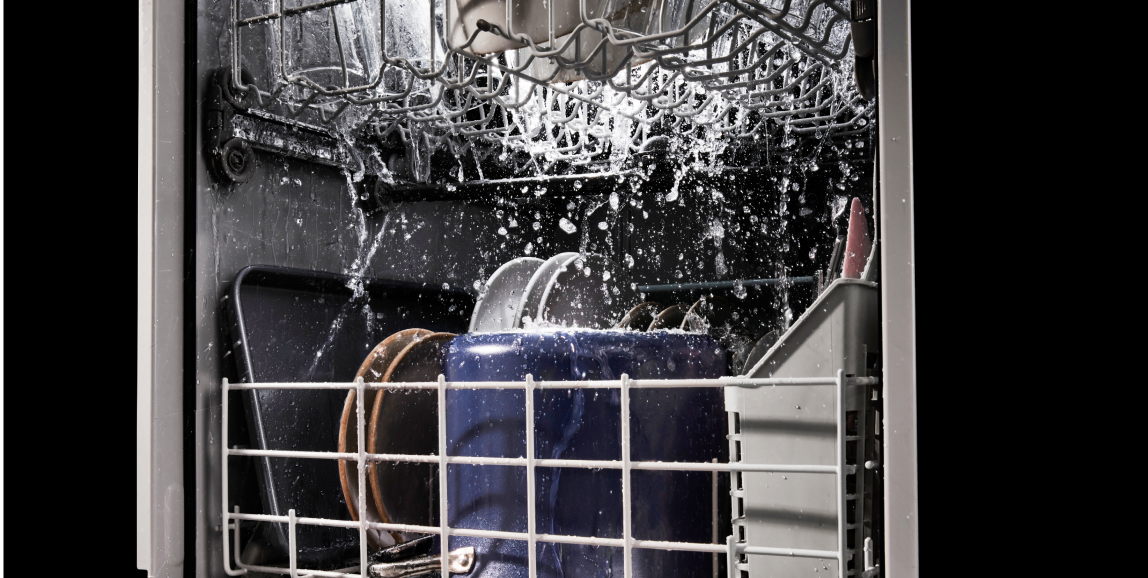
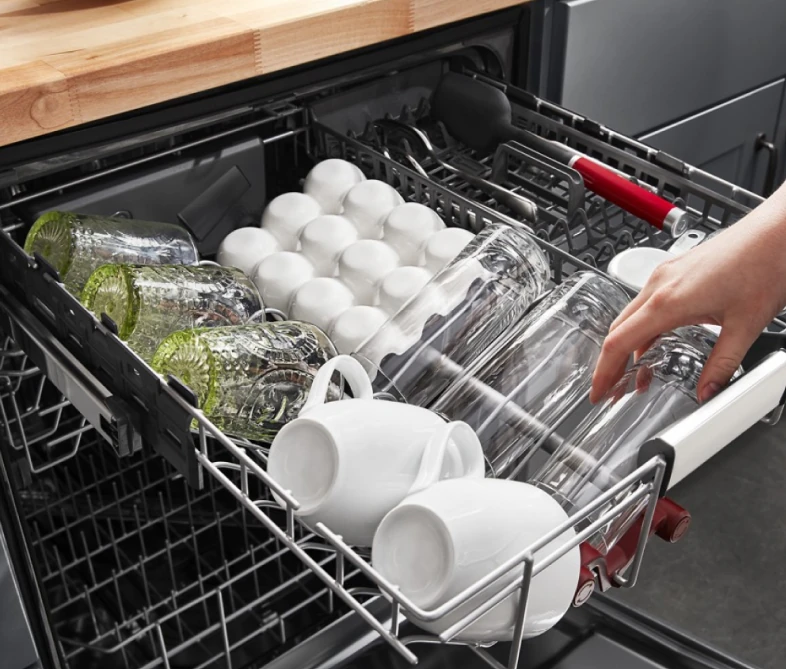
- Load the racks so water can reach every item – Loading your dishwasher the correct way can help ensure water and detergent are dispersed properly to every surface, help protect your dishes and help your dishwasher run more efficiently overall.
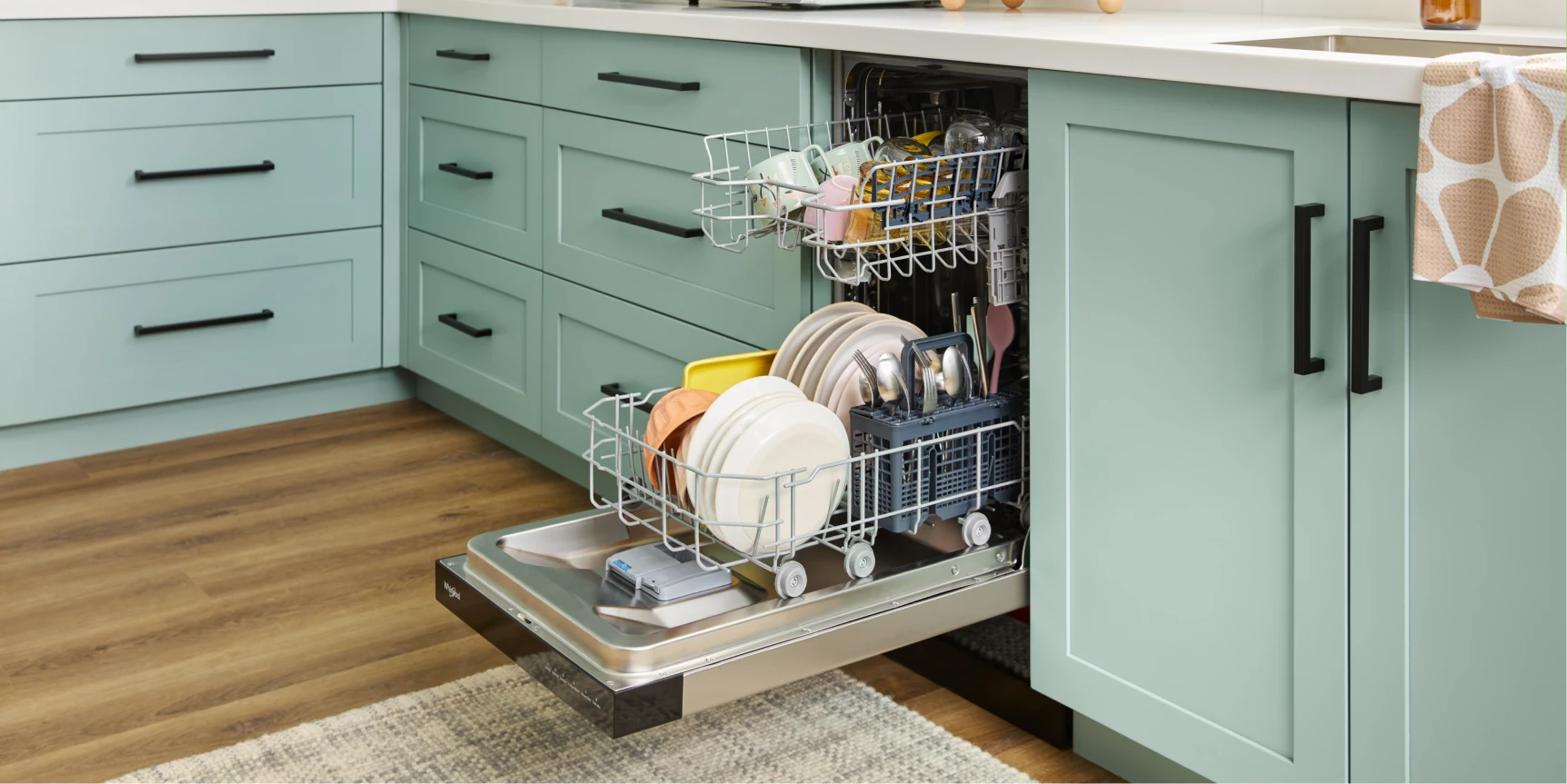
- Place dishes in the correct location – Load cups, glasses, small bowls, lids and many dishwasher-safe plastics on the upper rack. Place plates, larger bowls and dishwasher-safe cookware on the lower rack, where stronger spray can tackle heavier soil. Use the silverware basket to keep forks, spoons and other utensils separated so water can reach between them.
- Add the right amount of detergent – Add detergent based on the package directions and your appliance instructions. Make sure to use the correct amount of detergent to ensure dishes are cleaned properly without any streaks or residue left behind. Using too much detergent can result in a white film or soapy residue being left behind or excess suds in your dishwasher.
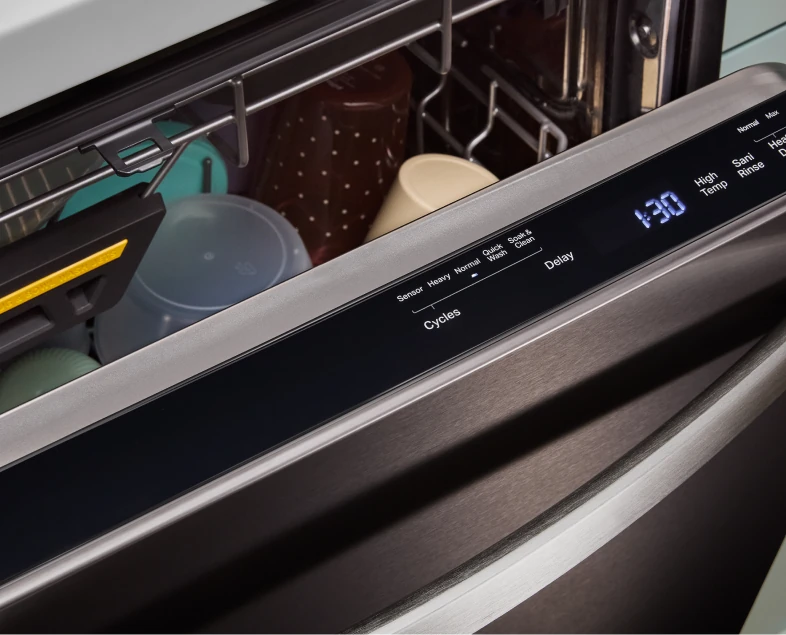
- Choose the right dishwasher cycle – Match the cycle to the load instead of using the same setting every time. A normal cycle works well for everyday dishes, a quick cycle helps with lightly soiled items when time is short and a heavy cycle is a good option for pots, pans and baked-on messes.
Dishwasher care tips and FAQs
Routine care can help support your appliance’s wash performance, reduce odor sources and manage hard water mineral buildup. Regularly cleaning and maintaining your dishwasher is the best way to ensure it stays running as efficiently as possible.
These quick tips cover the basics that matter most, from how often to clean your appliance to smart cleaning habits to follow regularly.
Do you need to clean a dishwasher filter?
Cleaning your dishwasher’s filter every three to six months can help keep your appliance running at optimal performance. A dishwasher filter can trap food debris, while blocked spray arms can limit water flow and leave dishes looking less clean.
Learn more about steps to follow for cleaning your dishwasher filter to make it part of routine care.
How often should you use a dishwasher cleaner?
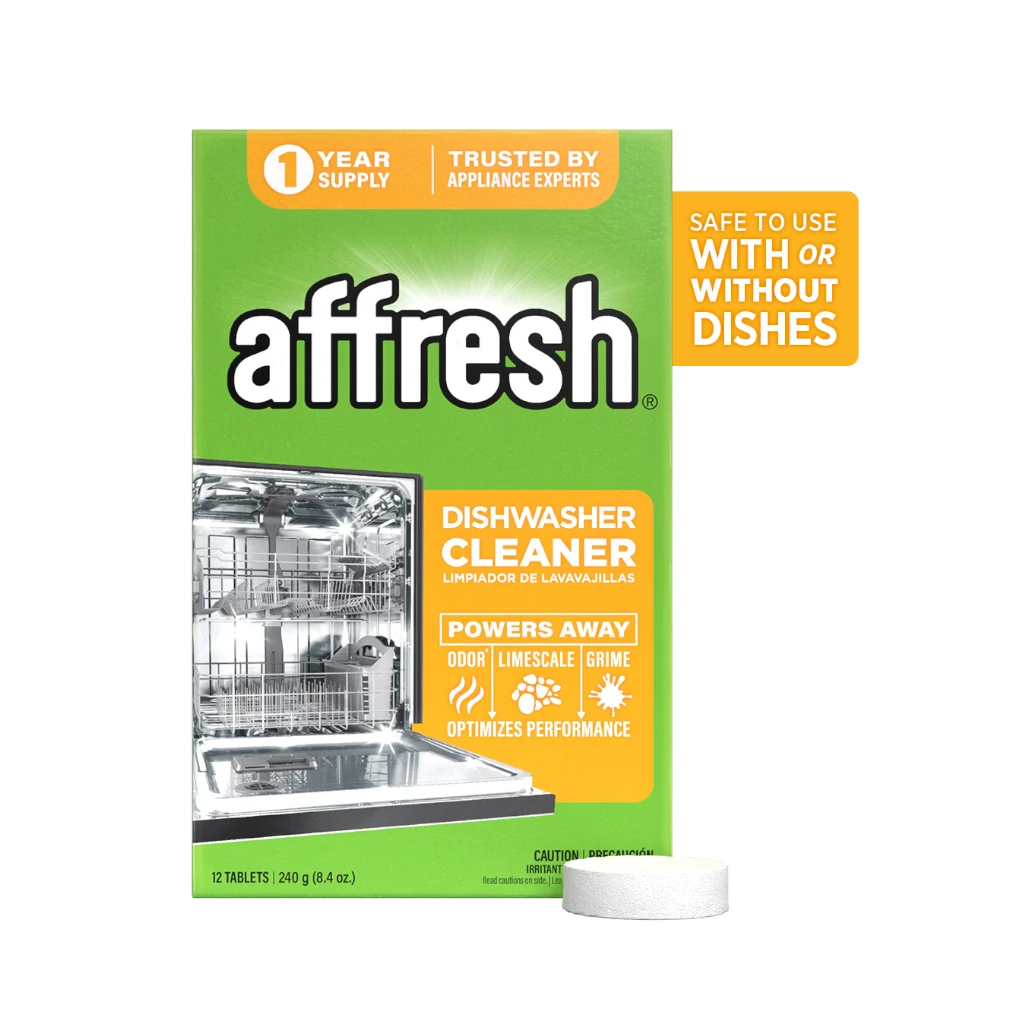
For ongoing care, use a dishwasher cleaner monthly or every 30 wash cycles to keep your appliance clean and running smoothly. A specialized dishwasher cleaner can help manage limescale, hard water mineral buildup and odor-causing residue inside the tub, detergent dispenser and other interior surfaces.
Do you need to run your dishwasher regularly?
Even if your dishwasher is not full, you should run your dishwasher at least once a week to help keep seals, hoses and internal components from drying out or developing buildup. Regular dishwasher use can help flush out food particles, grease and detergent residue before they can accumulate and cause issues.
How do you deep clean a dishwasher?
To deep clean your dishwasher, you can start by running an empty hot cycle with a dishwasher cleaner or vinegar if your appliance allows. After the cycle is finished, wipe down the interior and door seals, then clean the spray arms and filter thoroughly.
For an even deeper clean, learn more about how to sanitize your dishwasher to keep your appliance running optimally and smelling fresh.
Shop affresh® dishwasher cleaner
One of the best ways to keep your dishwasher well maintained is by cleaning it regularly. Routine maintenance helps your dishwasher run efficiently, stay free of buildup and keep your dishes sparkling clean.
Affresh® dishwasher cleaner is specially formulated to help remove limescale and mineral buildup from your dishwasher’s tub, racks, pump and valve, drain and recirculation hoses. It even helps descale glassware and dishes, restoring their finish and shine.
- Share Article