Laundry additives: what are they and how do they work?
When it comes to laundry, you likely have a go-to detergent for every load. While it works well on everyday messes, stubborn stains may need extra help. That’s where laundry additives come in.
From tackling stubborn odors and stains to improving detergent performance in hard water, laundry additives are designed to solve specific washing problems that detergent alone can’t always handle. Laundry additives support specific wash needs like brightening, softening or helping with odor-causing buildup, but they are not necessary for every cycle.
In this guide, you’ll learn what laundry additives actually are, how they work and when it makes sense to use them.
Select a jump link below to learn more:
- What are laundry additives?
- 4 Types of laundry additives
- How to use laundry additives
- Laundry additive FAQs
What are laundry additives?
Laundry additives are optional wash products that help boost detergent’s cleaning power. While standard detergent handles everyday cleaning, laundry additives give clothes a deeper clean than detergent alone. Some additives work in the wash water, while others are added during the rinse cycle.
Laundry additives such as oxygen bleach, enzyme boosters or stain‑specific treatments can help break down grease, food, protein or organic stains. Laundry boosters are designed to enhance stain removal on the first wash rather than requiring repeat cycles. Brightening laundry additives including oxygen bleach and some alkaline boosters, which can help restore fabric appearance without harsh chlorine bleach, as long as the fabric care label allows it.
The right choice depends on the fabric, the soil level and whether hard water minerals or detergent residue are making loads feel less fresh. They can help with whitening, softening, odor support or hard-water issues, using ingredients like oxygen bleach, washing soda, borax, fabric softener or scent beads.
When to use laundry additives
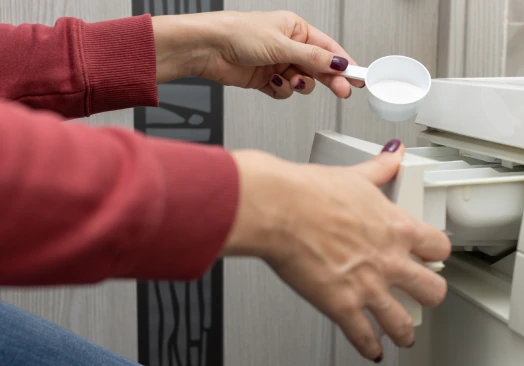
When laundry smells musty, sweaty or sour even after washing, a laundry additive can help neutralize odor‑causing residue trapped in fabrics. Laundry additives can be useful for sweaty activewear fabrics, pet blankets, dingy white loads and heavily soiled family laundry. They may also help when hard water minerals dull fabrics or leave residue behind.
Laundry additives should be used as needed, not in every wash. Overusing additives can lead to residue buildup, reduced fabric performance or unnecessary wear. The right frequency depends on what problem you’re solving and which additive you’re using.
4 types of laundry additives for your clothing
Laundry additives can be a great addition to your regular laundry routine. Common additives include baking soda, borax, washing soda and oxygen bleach, which help your clothes look and smell their best.
Before using any type of additive, always make sure to check your clothing care labels to ensure it is safe to use.
1. Baking soda
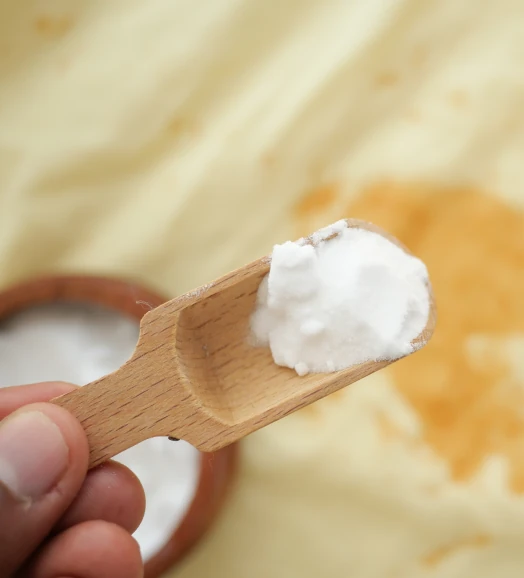
Baking soda is a natural deodorizer and is not a replacement for detergent. Use your normal amount of laundry detergent, then add baking soda to help boost cleaning power, balance water pH and reduce odors caused by sweat or mildew.
You can also use it as a stain pre-treatment by making a paste of equal parts baking soda and water and apply it directly to stains before washing, or add ½ cup to the washer along with your detergent.
2. Borax
Borax is a naturally occurring mineral that breaks down dirt and grease. It can also brighten colors, neutralize odors and remove stains. Borax binds to minerals like calcium and magnesium that cause hard water. By softening the water, borax allows detergents to clean more efficiently and rinse away more completely.
Borax can be used for hard-water support, smelly laundry loads or extra wash boosting. When using borax as a laundry additive, add ½ cup of borax to the washer drum before loading in laundry to help boost the cleaning performance of your usual detergent. It may leave residue in a washer or detergent dispenser if it does not dissolve fully, so make sure to use a measured amount.
3. Oxygen bleach
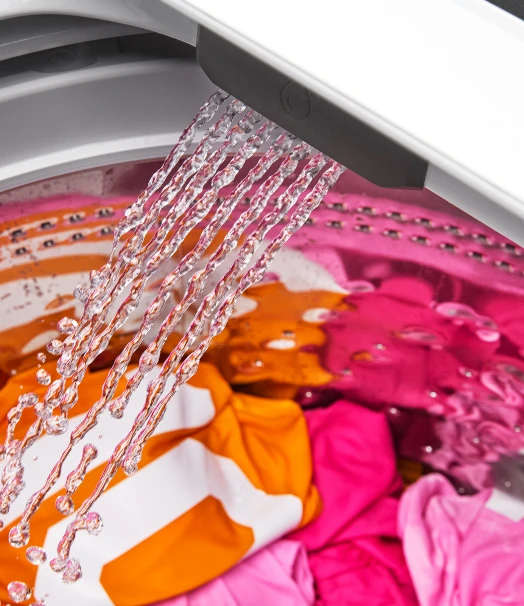
Oxygen bleach is a non-chlorine bleach that is gentler on fabrics and breaks down into hydrogen peroxide in water to lift and eliminate stains. This additive can help support both whitening and stain removal for your clothing items.
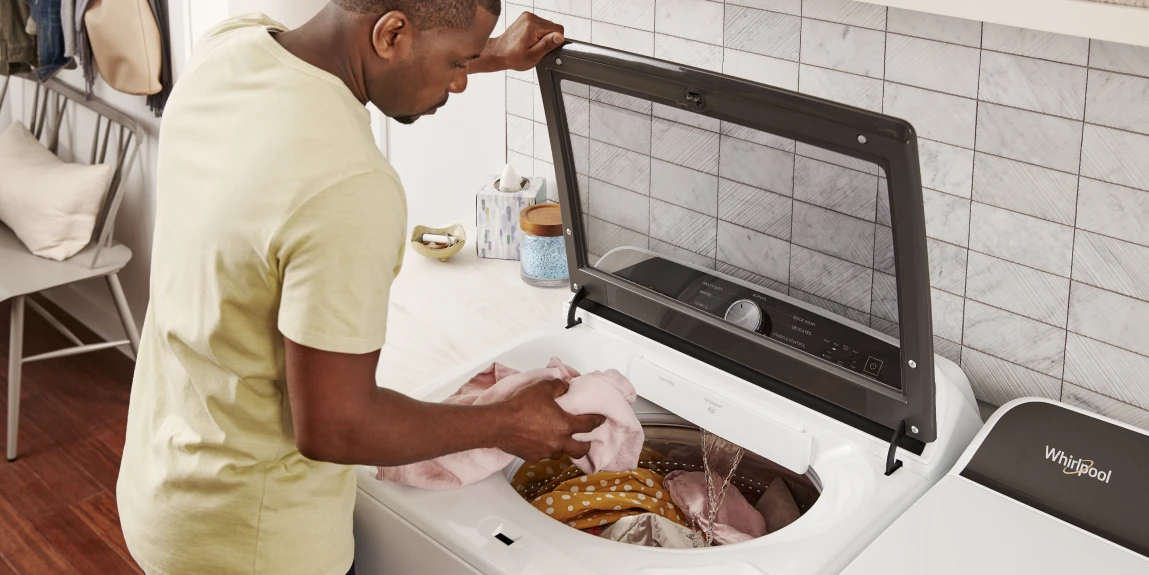
To use oxygen bleach, first add the solution directly into the empty washer tub, following package instructions for dosage. Then, add your clothing and run a normal wash cycle using the warmest water safe for your garments. Always check the fabric label first, test for colorfastness and expect stronger brightening in warm water than in cold when using this additive.
4. Washing soda
Washing soda, also known as sodium carbonate, works as a powerful laundry additive by changing the chemistry of the wash water so detergent can clean more effectively, especially in hard water and on greasy or heavily soiled items. Washing soda is strongly alkaline and when added to laundry, it raises the water’s pH, which helps break down oily soils and grease that cling to fabric fibers.
A simple way to use washing soda as an additive is to add ½ cup along with your regular detergent into your washer drum. Then add your laundry and select your wash cycle.
How to use laundry additives the right way
The right laundry additives can help, but placement, amount and washer type matter just as much as the product itself. A scoop in the wrong spot or too much added to a washer can leave detergent residue behind and add to odor issues in the laundry room.
Follow the tips below to ensure you’re using laundry additives the correct way.
- Match the additive to the laundry need – Choose laundry additives based on the laundry dilemma you’re facing. Use oxygen bleach for dingy whites, a laundry booster like washing soda or borax for hard water minerals and skip extras entirely when detergent alone handles the load.
- Follow amount and placement directions carefully – Make sure to always reference the packaging when using a laundry additive. Additives belong in the washer drum, some in the detergent dispenser and some should not be used in certain cycles at all. In an HE washer, guessing can lead to over-sudsing, trapped residue and poor rinsing, so follow concentrated product dosing exactly.
- Check fabric and color compatibility first – Start with the care label before adding anything extra. Delicates, dark colors, baby items and some activewear fabrics can react differently to laundry additives. Colorfastness should be checked on an inconspicuous area before the load starts. Keep treated items out of the dryer until stains are fully gone, since heat can set them.
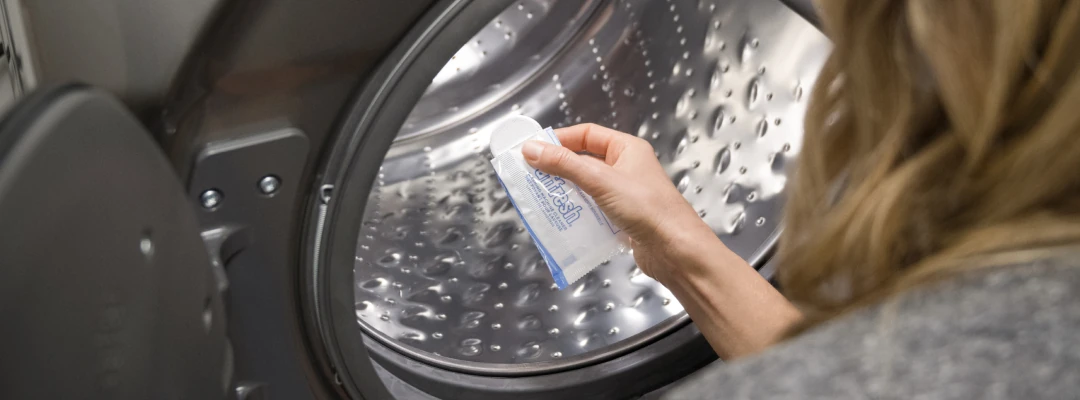
- Keep the washer clean – Repeated use of boosters, softeners and scent products can collect in the washer drum, detergent dispenser and rinse cycle path over time. That residue can trap odor and dull fresh results, so regularly cleaning your washing machine is imperative for optimal performance.
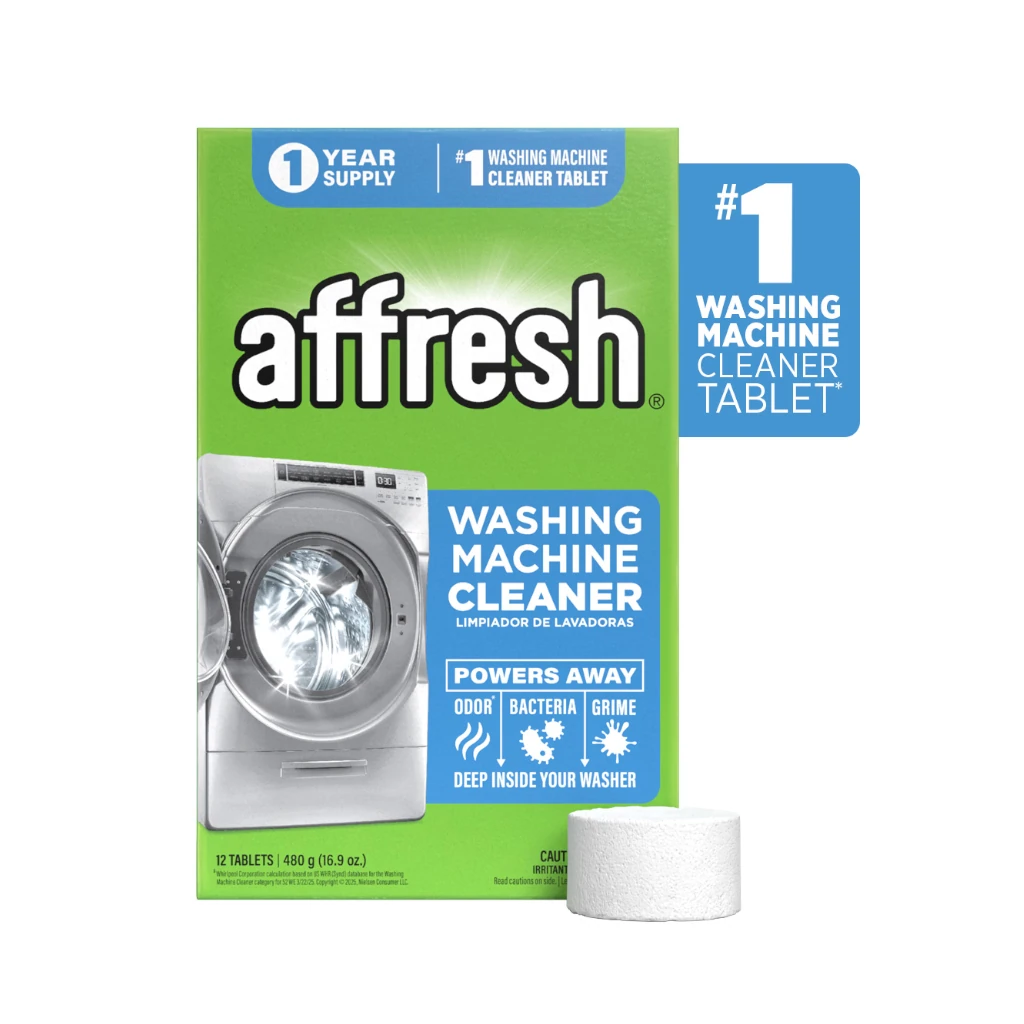
Using affresh® washing machine cleaner on a regular basis can help ensure that the pump and valve, behind the basket and drum, the wash tub, the agitator or filter and drain hose are thoroughly cleaned.
Laundry additive FAQs
Keep reading to learn more about how and when to use laundry additives to keep your clothes looking and smelling their best.
Do laundry additives work in cold water?
Yes, many laundry additives can work in cold water, but performance depends on the product type. Oxygen bleach and some laundry boosters are often designed for cold cycles, while powders such as washing soda or borax may dissolve more fully in warmer water, especially in an HE washer.
Are laundry additives necessary for every load?
No, laundry additives are not necessary for every load. They can be helpful when you need extra odor control, stain support, fabric softening or help with hard water minerals, but regular detergent is often enough for everyday laundry.
Which laundry additives are safe for baby clothes or sensitive skin?
Fragrance-free and dye-free additives are usually the gentlest choice for baby clothes or sensitive skin. Skip heavily scented boosters, fabric softener and scent beads if irritation is a concern, and check the garment care label and product directions before use.
Do laundry additives expire or lose effectiveness over time?
Yes, some laundry additives can lose strength over time, especially if they absorb moisture or are exposed to heat for long periods of time. Store powders and liquids sealed in a cool, dry place, and replace any product that clumps, separates or no longer dissolves cleanly in the wash.
Shop affresh® washing machine cleaner
Laundry additives can leave behind detergent residue and odor-causing buildup inside the washer drum and detergent dispenser over time. With regular maintenance and cleaning, your washer can stay free of musty odors and continue cleaning your clothes effectively.
Affresh® washing machine cleaner cleans deep inside the pump, valve, tub, drum, agitator, filter and hose of your washing machine to help ensure your appliance is free from odor-causing residues and grime.
- Share Article