Garbage Disposal Smells: Causes & Fixes
Garbage Disposal Smells: Common Causes & Simple Fixes
Your garbage disposal is a key part of your kitchen routine, making cleanup easier and helping you properly dispose of food waste. That’s why it can be very frustrating when you notice an unpleasant smell coming from your disposal.
Luckily, if you do notice any odors, there are a few simple ways to troubleshoot and freshen up your appliance. Learn more about common reasons your garbage disposal might smell and easy ways to fix them.
Select a jump link below to learn more:
- 4 Causes of Garbage Disposal Odors
- Tips for Preventing a Stinky Garbage Disposal
- Do You Need to Clean a Garbage Disposal?
4 Causes of Garbage Disposal Odors
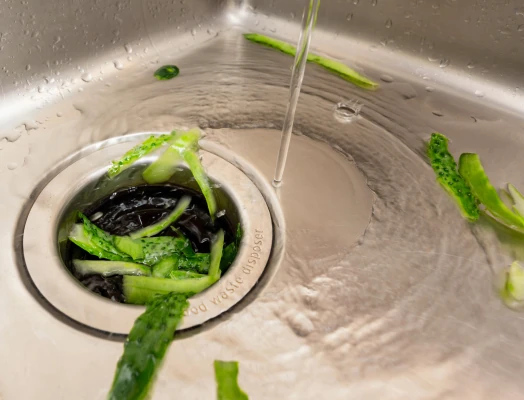
Garbage disposals grind up food waste so it can be flushed down the drain, but normal use can sometimes lead to unpleasant odors. Here are the most common causes of disposal smells.
1. Food Waste Buildup
Sometimes food particles aren’t fully broken down or flushed away during normal use. When these particles become trapped in the various parts of your disposal, they can begin to decay and produce unpleasant odors.
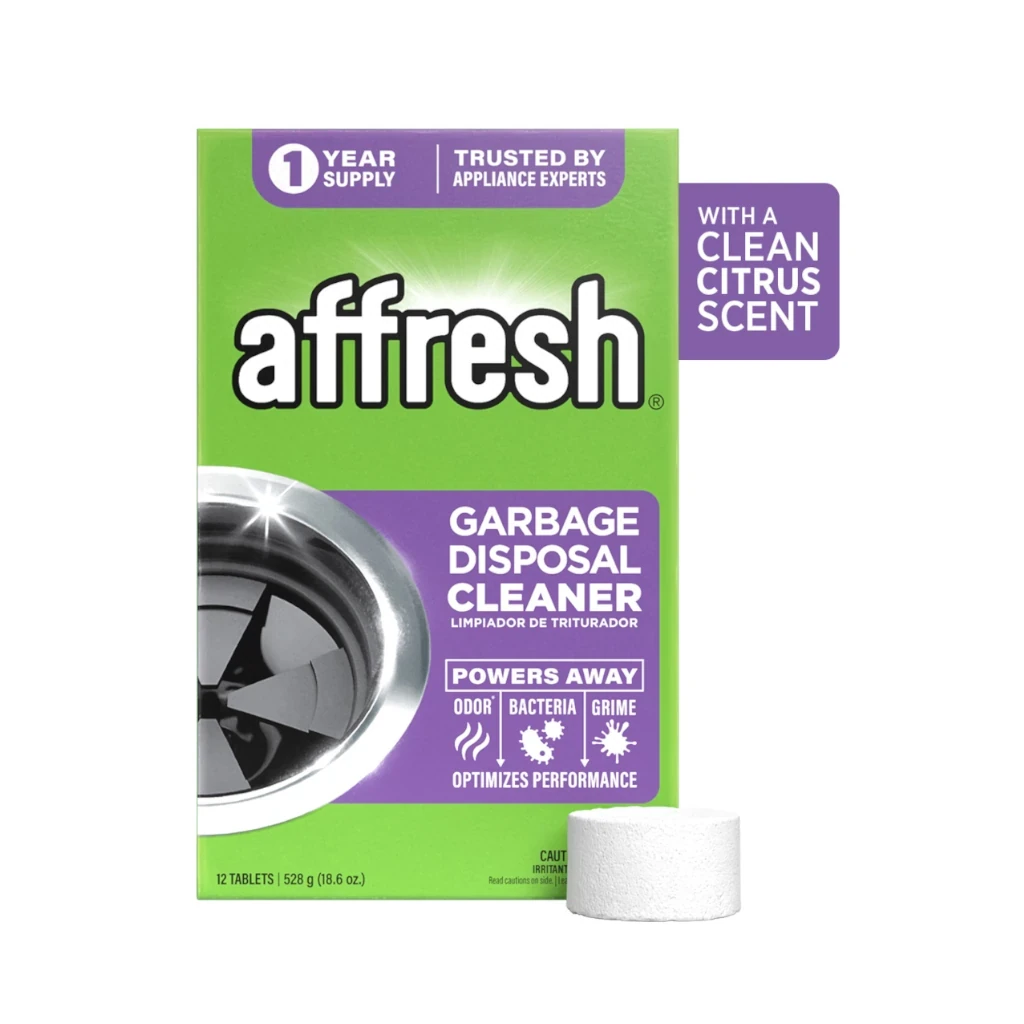
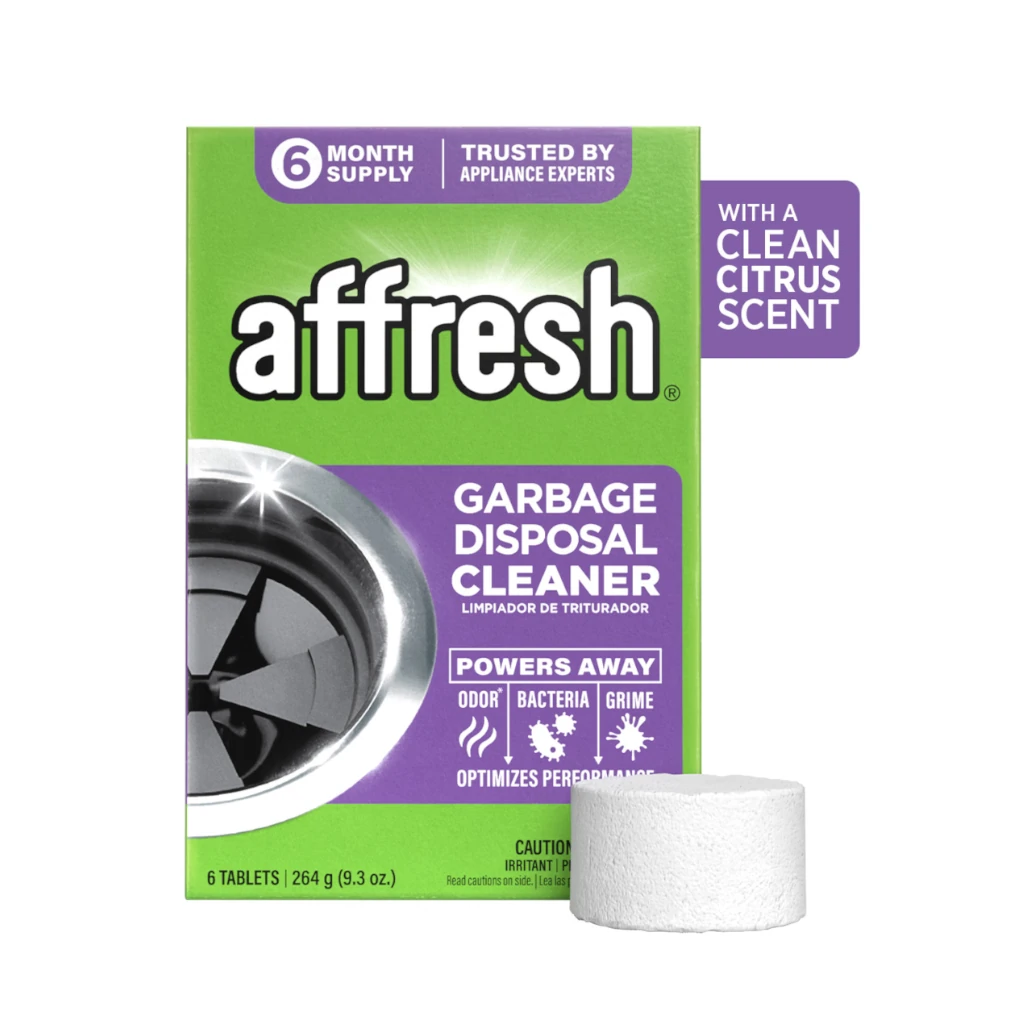
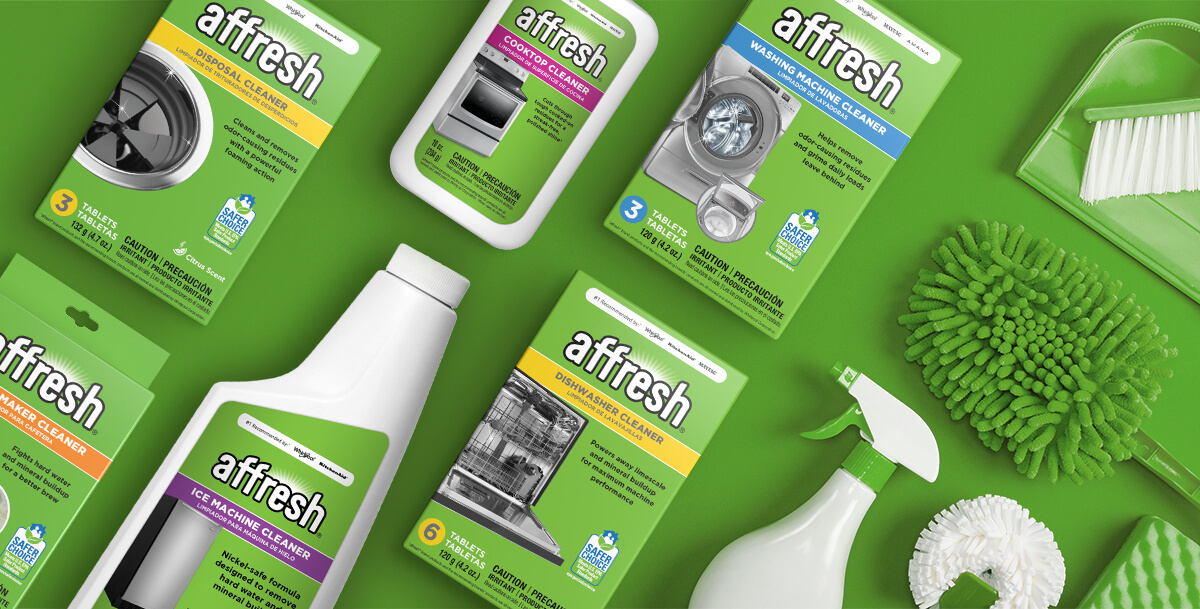
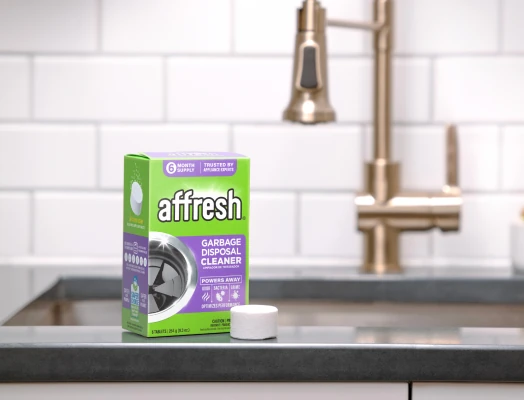
If you find that you have a stinky garbage disposal, you can use an affresh® disposal cleaner tablet to efficiently clean your appliance. These tablets are safe, easy to use and effective at cleaning your disposal’s chopper, internal cavity and hose.
2. Grease and Fat Accumulation
Fats, oils and grease should never be poured down a garbage disposal. When they cool, they can congeal and coat the blades and inner walls, creating sticky buildup that leads to clogs and unpleasant odors over time.
To break down greasy residue, try a simple cleaning mixture: add ½ cup baking soda into the disposal, let it sit for a half-hour and then add 1 cup vinegar. Allow it to fizz and soak for ten minutes before running cold water through your disposal.
Tip: Instead of rinsing grease down the drain, pour it into a disposable container, like a jar or can, let it solidify and throw it away. This prevents grease from coating your disposal in the first place.
3. A Clogged Disposal
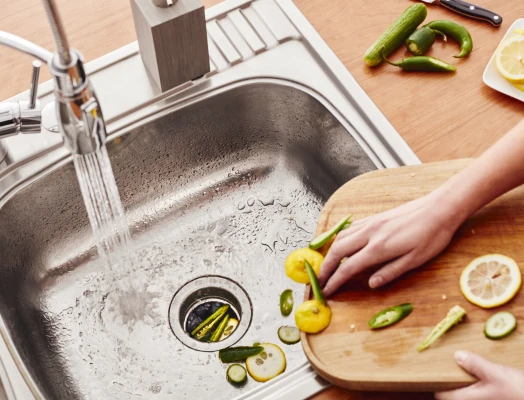
Several factors can cause your garbage disposal or drain to clog and produce foul odors:
- Not using enough water: Garbage disposals require a steady flow of water while running to work efficiently. A lack of water can result in food building up over time.
- Grinding too much food at once: Your disposal works best when grinding smaller amounts of food in batches.
- Putting the wrong foods down the disposal: Eggshells, coffee grounds and potato peels should be avoided altogether, as they tend to clump and cause blockages.
Learn more about how to unclog a garbage disposal to ensure your appliance can run efficiently and remain odor free.
4. Bacterial Growth
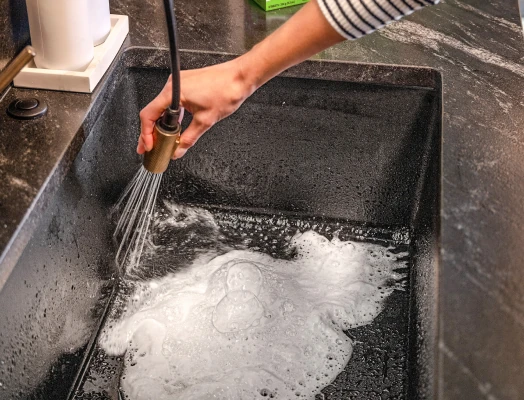
Your kitchen sink and disposal create a warm, moist environment where mold and bacteria can thrive, especially on the splash guard and inner surfaces where food debris collects. Over time, this growth can produce musty or sour smells that won’t go away with normal use.
If your disposal does have bacteria or mold buildup, you can use a mixture of warm water and soap to remove it. Be sure to thoroughly clean and rinse all the parts of your disposal. Use an affresh® tablet after cleaning to remove any lingering buildup.
Do You Need to Clean a Garbage Disposal?
Yes, a garbage disposal needs to be cleaned regularly to keep it running efficiently and smelling fresh. Routine cleaning helps eliminate food particles, grease and other debris that can build up over time, preventing odors and clogs.
For most households, cleaning once a month is a good habit. You may also want to clean your disposal after cooking greasy meals, grinding foods with strong odors, like onions or fish, or hosting a large gathering when the appliance gets heavier use.
Tips for Preventing a Stinky Garbage Disposal
Preventing your garbage disposal from smelling bad can be simple if you regularly clean and maintain your appliance. Here are some tips for preventing garbage disposal smells:
- Avoid putting foods like pasta, eggshells, bones and coffee grounds down the disposal, as they can cause clogs and make the appliance harder to clean.
- Always run cold water while your disposal is in use. This can help flush away any stubborn grease or food particles.
- Regularly clean your garbage disposal with affresh® garbage disposal cleaner to prevent any residue buildup.
Explore affresh® Garbage Disposal Cleaner
With regular care and a consistent cleaning schedule, you can keep your garbage disposal running smoothly and odor-free.
Affresh® disposal cleaner creates a scrubbing action that helps clean the chopper, internal cavity and drain hose in your garbage disposal. It also leaves behind a fresh citrus scent while tackling odor-causing residues. Use monthly or as needed to help keep your appliance working smoothly and odor-free.
- Share Article