How To Fix a Clogged Dishwasher in 5 Easy Steps
Opening your dishwasher after a wash cycle and finding a pool of dirty water can be frustrating. Whether you’re cleaning up after a family dinner or a large gathering, a clogged dishwasher can disrupt your routine.
Fortunately, with a few simple steps, you can unclog your dishwasher and restore clean, fresh-smelling dishes. In this guide, you’ll learn what causes drainage issues, how to fix them and how to prevent future clogs.
Select a jump link below to learn more:
- What Can I Use to Unclog My Dishwasher?
- Unclogging a Dishwasher: A Step-By-Step Guide
- Tips for Preventing Dishwasher Clogs
What Can I Use to Unclog My Dishwasher?
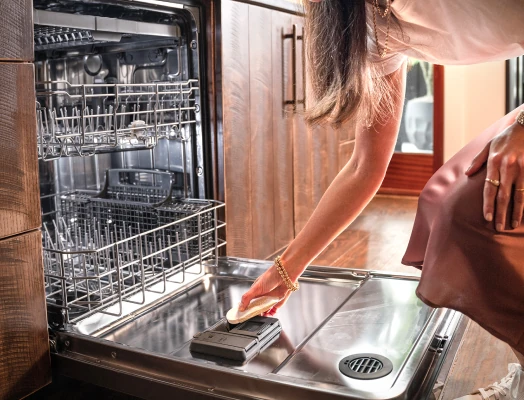
To unclog your dishwasher, you can use common household items and cleaning methods, depending on the source of the clog. Options include a baking soda and vinegar solution, hot water with dish soap or a dishwasher cleaner.
Unclogging a Dishwasher: Step-By-Step Guide
A dishwasher can clog for several reasons. The most common include a dirty filter, a blocked drain hose or pump, or problems with the garbage disposal, air gap or drain valve.
Supplies
- Bucket
- Sponge
- Cup
- Soft scrub brush
- Baking soda
- Vinegar
1. Turn Off and Empty the Dishwasher
Before you begin, empty the dishwasher and unplug it from the power source. An empty appliance makes troubleshooting easier and safer.
2. Remove Standing Water
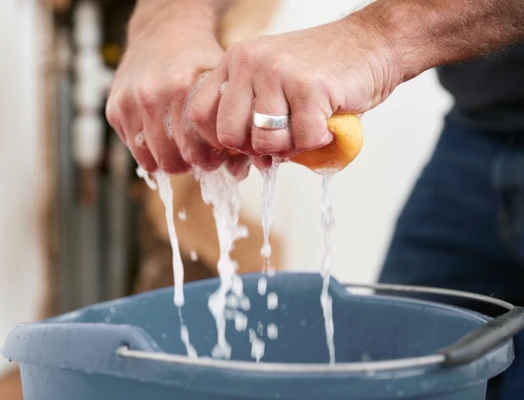
If water remains in the bottom of your dishwasher, use a cup to scoop it into a bucket. A sponge can help absorb the remaining water. Removing standing water makes the dishwasher drain more accessible when diagnosing the problem.
3. Clean Your Dishwasher Filter
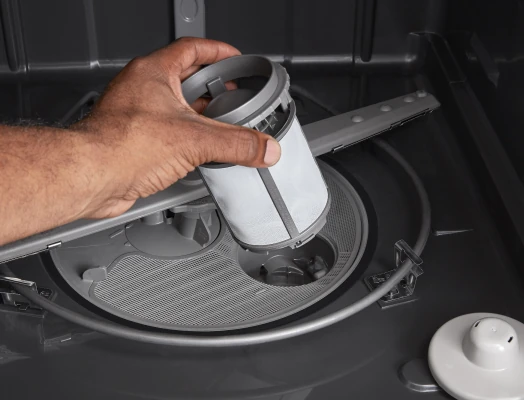
A dirty dishwasher filter is a common reason that your dishwasher is not draining properly. Food particles and debris can get stuck in a dishwasher filter and prevent the water from draining. You should check your dishwasher filter for any clogs to determine if that is what’s causing your dishwasher not to drain properly.
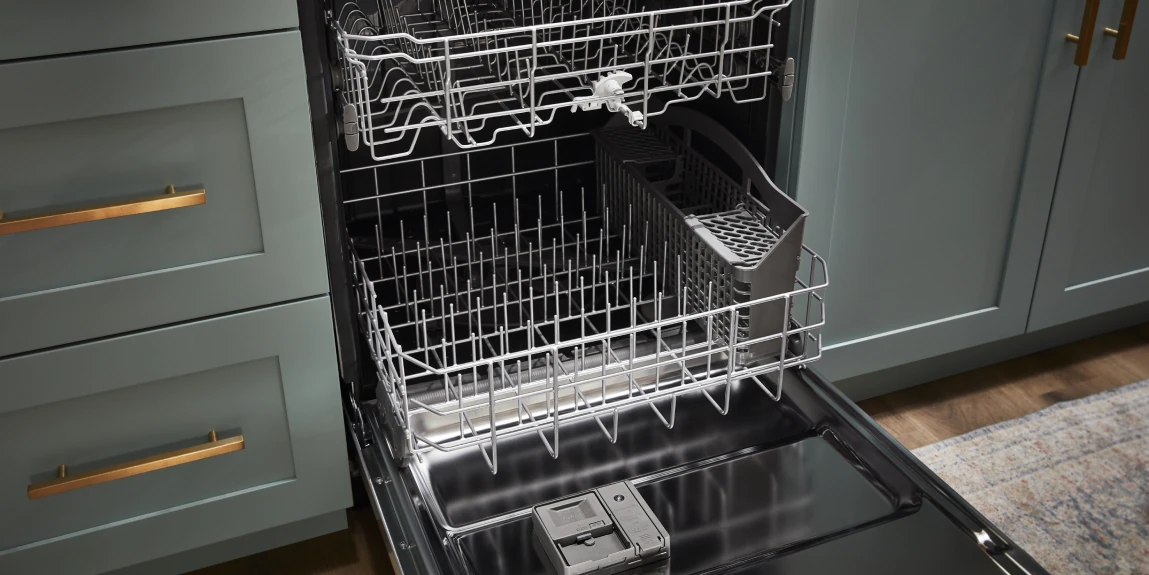
- Locate the dishwasher filter by removing the bottom dish rack of your appliance and observing the bottom of the dishwasher tub.
- Consult your owner’s manual for instructions on how to properly remove your dishwasher filter. Once removed, you will be able to see any built up food debris and residue that might have collected on the filter.
- Thoroughly rinse your dishwasher filter to help remove any residue. If needed, use a soft brush to scrub away any stubborn grime. Make sure not to use anything too abrasive to avoid damaging the filter.
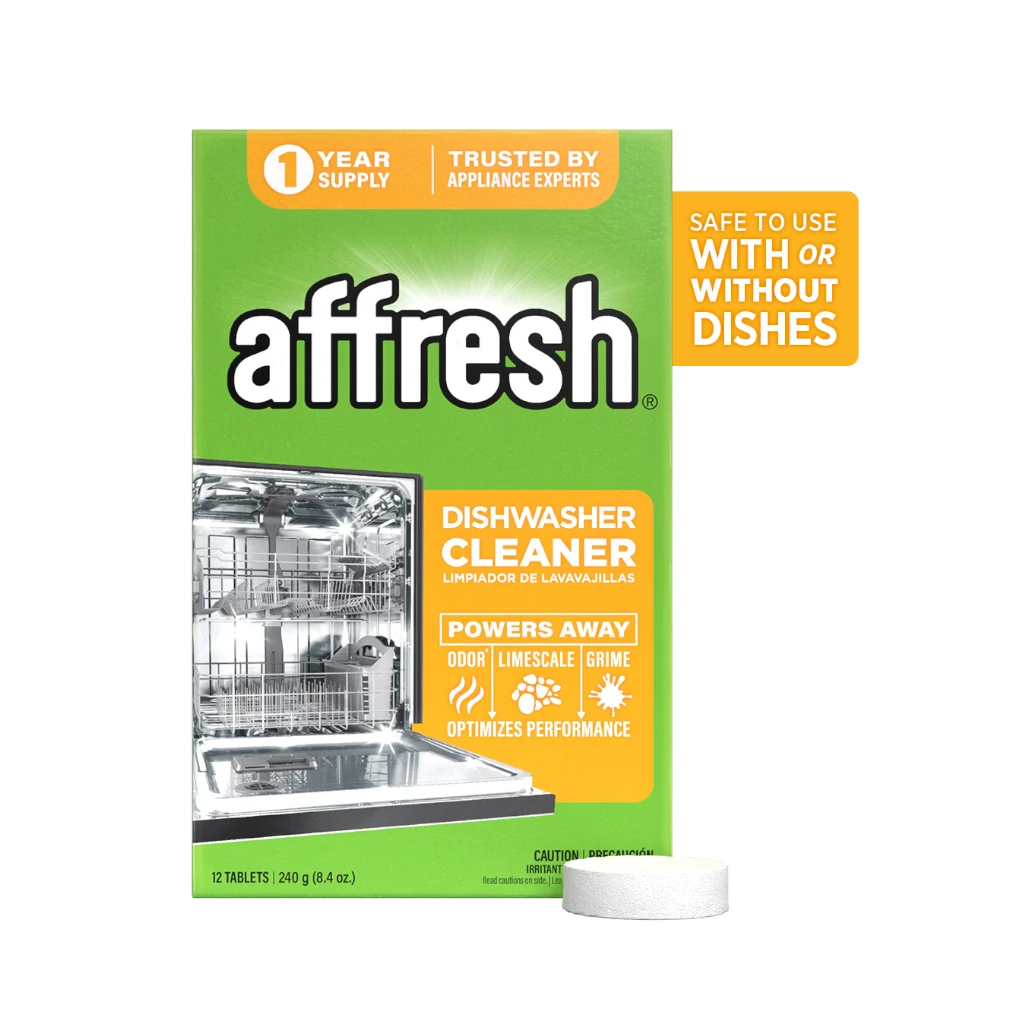
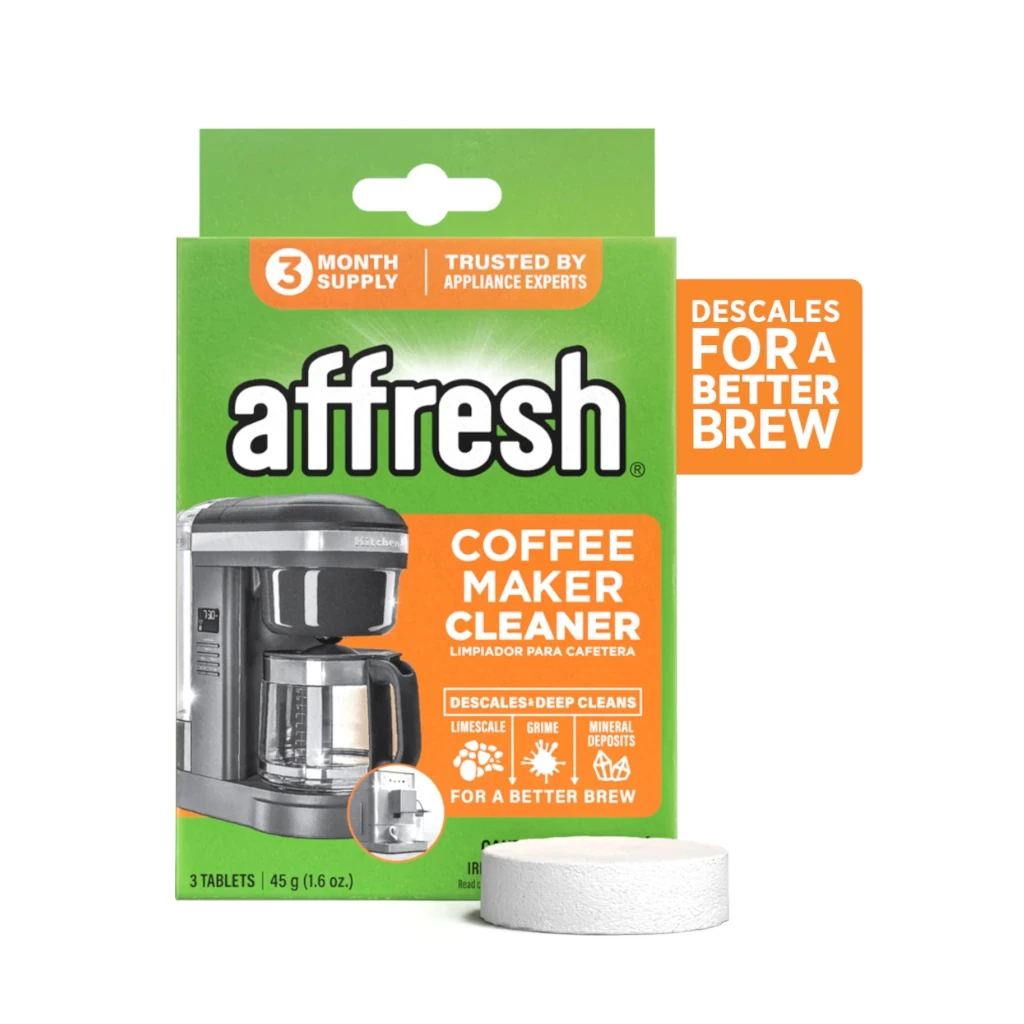
Tip: Regularly cleaning your dishwasher with affresh® dishwasher cleaner can help prevent unwanted odors and detergent residue buildup. Affresh® dishwasher cleaner is safe to use with or without dishes. If using affresh® dishwasher cleaner with dishes, put in the bottom of the dishwasher (detergent should go in the detergent tray) and then run a normal wash cycle. If using affresh® dishwasher cleaner without dishes, put directly in the detergent tray and then run a normal wash cycle.
4. Check All Parts of the Dishwasher
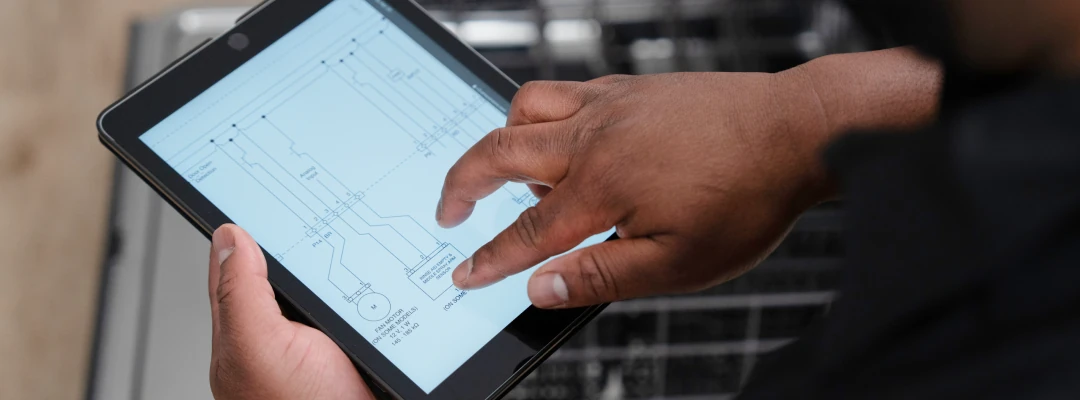
If you’re still experiencing drainage issues after you’ve cleaned your dishwasher filter, you will need to inspect the other areas of your appliance. Dishwasher parts such as the drain pump, garbage disposal and drain hose might be damaged or have blockages.
- Drain Pump: Food debris, broken glass and other particles can sometimes get stuck in the dishwasher drain pump, leading to clogs. Check your owner’s manual for instructions on safely removing and inspecting the pump. Once removed, clean out any debris that has built up, then reinstall the pump securely before running the dishwasher again.
- Garbage Disposal: If your garbage disposal is clogged, this can cause standing water in your dishwasher and unpleasant odors. Try turning on your garbage disposal to clear away any food debris. If you hear a loud noise while running your disposal it may be clogged. You will need to unclog your garbage disposal to remove standing water and get your appliance working properly.
- Drain Hose: Look under your kitchen sink and find where the drain hose connects to the garbage disposal or sink drain. Inspect the connection and remove any food particle buildup if present. You can also use a drain cleaner solution or baking soda and vinegar to clear the drain hose.
- Air Gap: The air gap prevents dirty water from flowing back into your dishwasher. If your appliance has one, inspect it for clogs that could block proper drainage. Remove the cover, clear out any debris and secure it tightly before running the dishwasher again.
5. Schedule Service to Repair or Replace Your Dishwasher
For more difficult dishwasher clogs, you may need to consult a professional for assistance. If you’ve tried troubleshooting yourself and are unable to fix your appliance, contact a professional for help repairing or replacing your dishwasher.
Tips for Preventing Dishwasher Clogs
With regular care, your dishwasher can stay clog-free and run efficiently. Follow these simple habits:
- Rinse dishes and remove large food particles before loading them.
- Run the dishwasher consistently with the correct type and amount of detergent.
- Check the filter often and clear away any food debris.
- Deep clean your dishwasher about once a month, or every 30 wash cycles, to reduce buildup and odors.
Explore affresh® Dishwasher Cleaner
Affresh® dishwasher cleaner makes monthly maintenance easy. It helps removes limescale and mineral deposits from the tub, racks, pump, drain and hoses while also descaling glassware and dishes for a sparkling finish.
- Share Article